
Movie· 2017· Released
Albanian Women Are Our Sisters
tmdb
DocumentaryWar
Anti-war documentary about relations between Serbs and Albanians during 1999 bombing of Yugoslavia.
Provider ★ 0.0·0 tracking
Canonical catalog
1000 titles
Anti-war documentary about relations between Serbs and Albanians during 1999 bombing of Yugoslavia.

British Ace and hero Albert Ball was perhaps the Allies' best known flyer of the Great War. Originally an infantryman, Ball was one of the first members of the Royal Flying Corps but, on 7th May 1917, he would depart for his last fight. While engaged in a ferocious dog fight with the Germans over northern France he was seen heading into heavy cloud cover with his machine guns blazing. That was the last time anyone ever saw him alive. Official German records claim that Lothar Von Richtoffen, brother of the Red Baron, shot Ball down but this was never officially confirmed and remains a mystery of the war.

The British inmates of a POW camp think they have an informer among them after several escape attempts fail. One of the prisoners constructs a dummy which they christen "Albert" and use at roll call in order to foil the German guards.
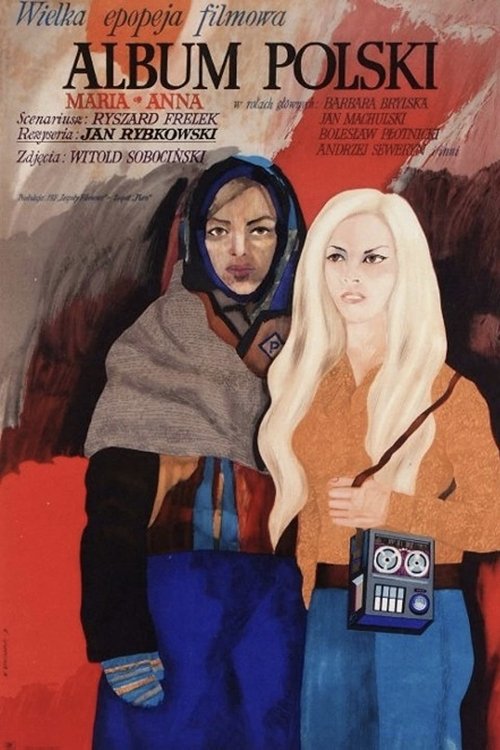
University student Anna and her boyfriend Tomek use a precious photograph to trace and unveil the complex wartime and post-war past of their parents.

Like many other young men of his generation, after Pearl Harbor was attacked, Aldo Giannini joined the Marines with little idea of what lay ahead. After training, he was quickly deployed overseas and fought in the bloody Battle of Tarawa, surviving with a shrapnel injury and the haunting memory of witnessing the loss of 3,250 U.S. lives. He went on to fight in other battles and returned home after 3 intense years of service. Nearly eight decades later, he still questions if winning the island was worth the price.
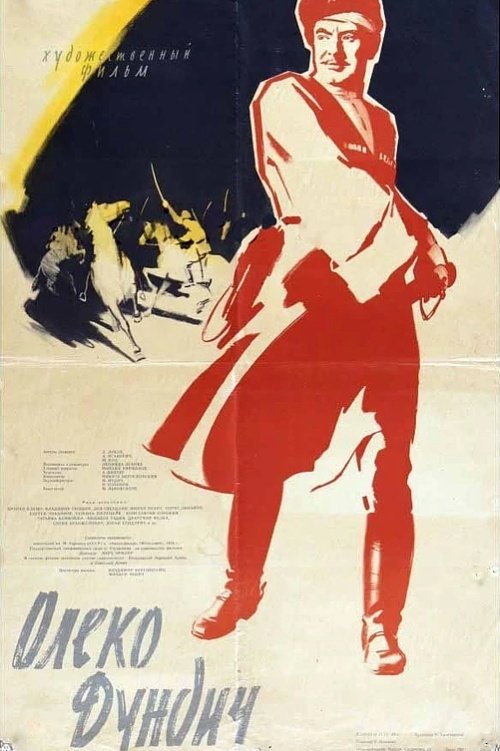
Life and times of Aleksa Dundic, a volunteer in the Serb army during WW1, who later became a legend by fighting for the Red Army in the Russian Civil War.
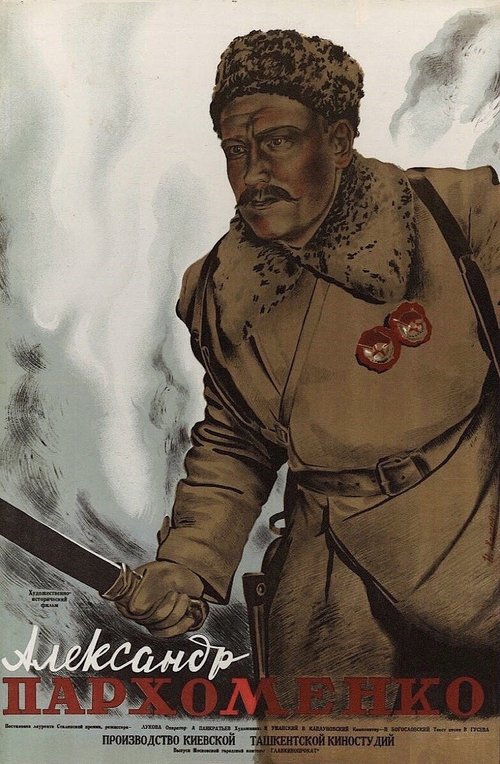
About the life and heroic death of the old Bolshevik-Lugansk resident, participant in the civil war, Aleksandr Yakovlevich Parkhomenko. In 1918, capturing Ukraine, the German occupiers sought to use the Haidamaks, the White Guards and the Greens in their struggle. By order of Voroshilov, Aleksandr Parkhomenko from Lugansk arrives in Tsaritsyn. At the same time, the Germans launched an active offensive. The "red" battalions are poorly armed, however, Parkhomenko manages to raise them to the attack and put the enemy to flight.
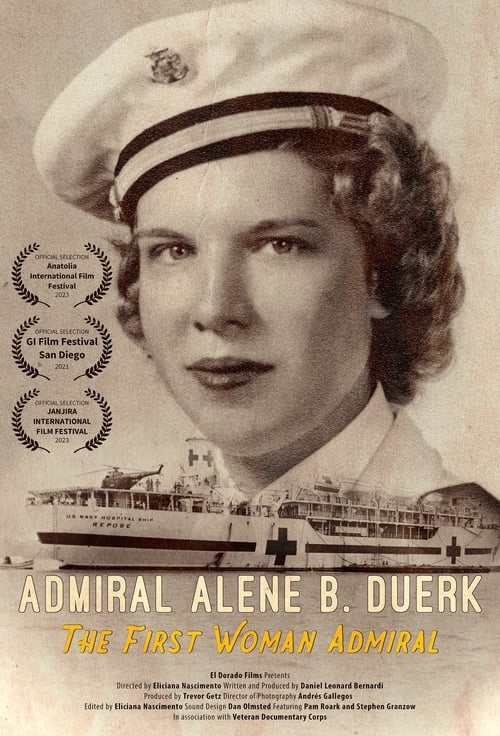
Following the tradition of military service in her family, Alene Duerk enlisted as a Navy nurse in 1943. During her eventful 32 year career, she served in WWII on a hospital ship in the Sea of Japan, and trained others in the Korean War. She became the Director of the Navy Nursing Corps during the Vietnam War before finally attaining the rank of Admiral in the U.S. Navy. Despite having no other women as mentors (or peers), Admiral Duerk always looked for challenging opportunities that women had not previously held. Her consistently high level of performance led to her ultimate rise to become the first woman Admiral.


Alerik, a dreamy 16-year-old boy, lives with his grandfather in a country that is at war. When the old man is killed in a bomb attack, Alerik becomes obsessed by the wish to take revenge. From now on, the war has him firmly in its clutches.

"Alert at the Border" tells the story of the Ecuadorian-Peruvian War of 1941, one of the most important military campaigns in Latin America during the twentieth century, with unpublished scenes taken by war correspondents and recreations made by the team of Amauta Films (1937-1940). Despite his patriotic tone, the Peruvian government banned the film because peace negotiations with Ecuador in early 1942.

Documentary about the Falklands War, composed of interviews with Argentine soldiers and footage taken on the islands during the conflict. The film constructs a narrative of the conflict, from the landing of Argentine troops to their surrender, highlighting the role played by the Armed Forces in combat.
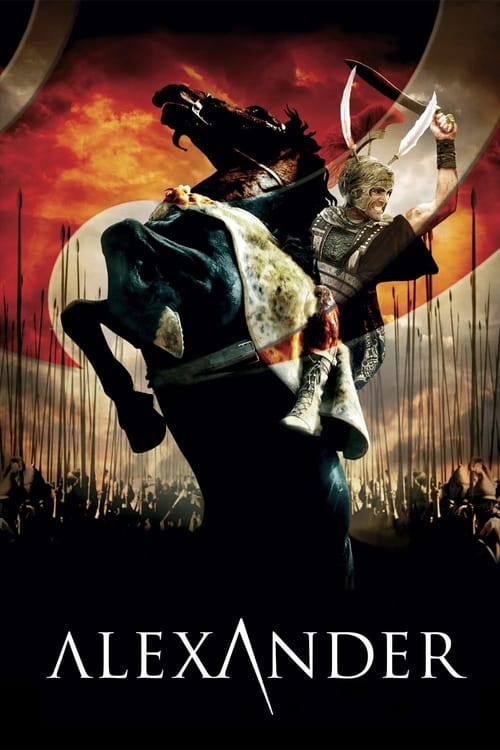
Alexander, the King of Macedonia, leads his legions against the giant Persian Empire. After defeating the Persians, he leads his army across the then known world, venturing farther than any westerner had ever gone, all the way to India.
A Turkish photographer's search of his identity in which the romantic is entangled with the political.
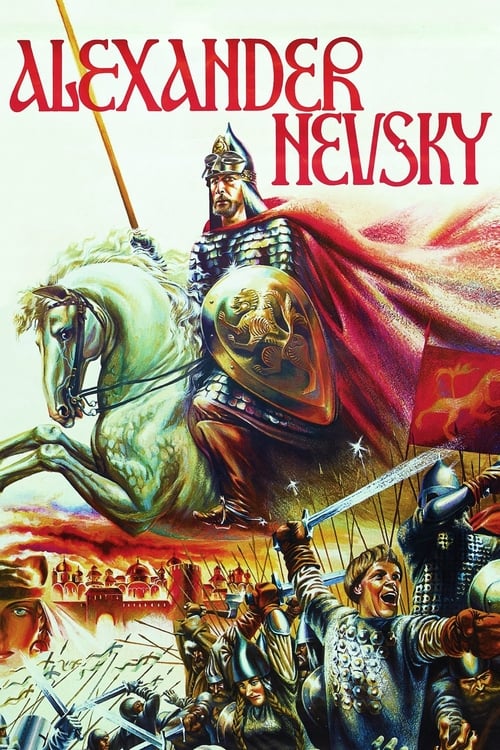
When German knights invade Russia, Prince Alexander Nevsky must rally his people to resist the formidable force. After the Teutonic soldiers take over an eastern Russian city, Alexander stages his stand at Novgorod, where a major battle is fought on the ice of frozen Lake Chudskoe. While Alexander leads his outnumbered troops, two of their number, Vasili and Gavrilo, begin a contest of bravery to win the hand of a local maiden.
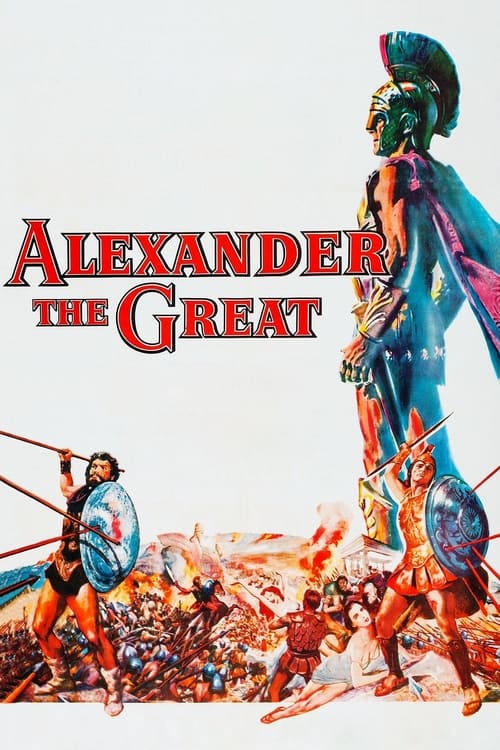
An engrossing spectacle set in the 4th-century BC, in which Alexander of Greece leads his troops forth, conquering all of the known world, in the belief that the Greek way of thinking will bring enlightenment to people. The son of the barbaric and ruthless King Philip of Macedonia, Alexander achieved glory in his short but remarkable life.
When his father, King Philip, is killed by the wicked Emperor Darius, Alexander the Great assembles an army and sets out for revenge. On his journey to catch up with his enemy, he fights many battles and conquers much of the known world.
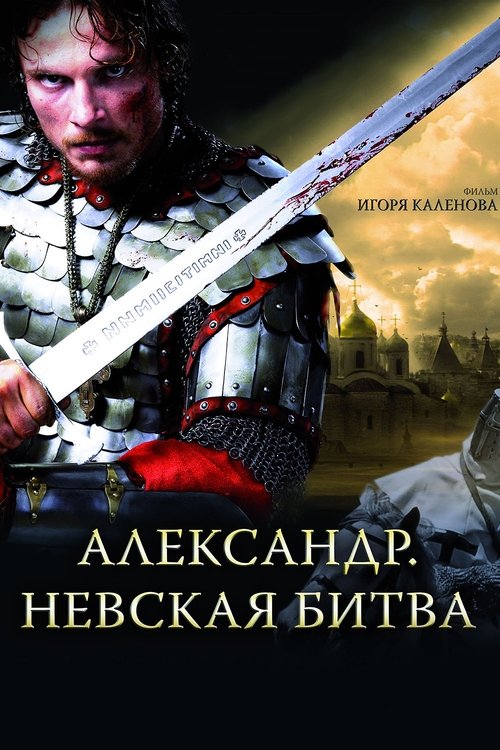
Young prince Aleksandr has to hold out against two enemies - the Horde in the east and the Teutonic order and Sweden in the west. He discovers that some boyars are plotting against him and are ready to betray Novgorod to the Swedes and the Germans to boost their trade. Meanwhile, his best friend falls under suspicion, as somebody tries to poison the young prince at his own wedding feast. Aleksandr has no way out - to defend his people against the invaders and to find the true poisoner.
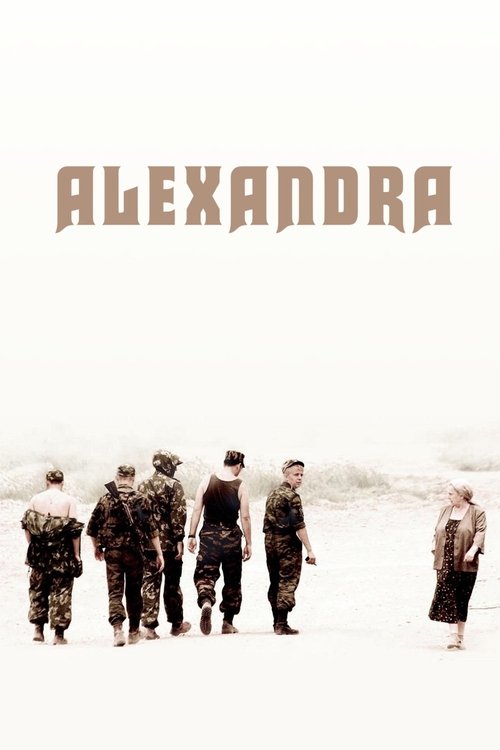
Elderly Aleksandra visits her Russian soldier grandson, Denis, at the Chechen war front, providing comfort as she tours his army. All the while, Denis ponders the reason for her unexpected appearance.
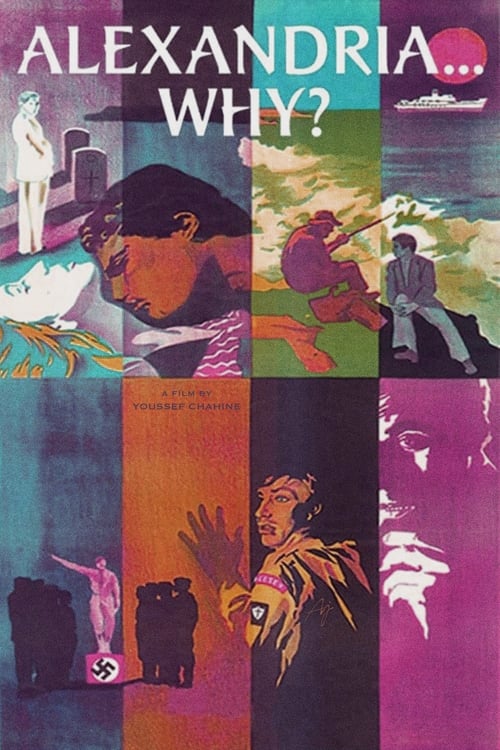
Amid the poverty, death, and suffering caused by World War II, 18-year-old Yehia retreats into a private world of fantasy and longing. Obsessed with Hollywood, he dreams of studying filmmaking in America but struggles to pursue his dream, given the constraints of his life in the middle class and the horrors of war.
The submarine Enrico Toti returns to its base at the end of a mission. After a brief leave, the crew members, who have embraced their families, return to sea. They encounter a British submarine, HMS Triad, ram it, and sink it. The main character in the film was actually a submarine commander: Lieutenant Commander Bruno Zelich, who would die shortly after filming while commanding the submarine Sciré.

Javier López Cronwell, journalist, son of an American and a Spaniard, comes to Spain to write a series of anti-communist articles. The boy is politically neutral and emotionally and personally cold. He comes into contact with his paternal grandfather and the friends of his father, who died in our Liberation War, who propose that he take the provisional ensigns as a topic for his article. He prepares his return to North America without waiting to see the 25th anniversary Victory Parade, despite the wishes of his father's friends, old ensigns who will parade to show the world that they are still in the breach.

World War II, June 1940. France has fallen and suffers the relentless boot of Nazi Germany. But Algeria, the prized French colony in North Africa, remains part of the territory controlled by the Vichy regime of Marshal Pétain. A strict colonial order is maintained: the French of European origin rule, while local Jews are stripped of French citizenship and discrimination against the mainly Muslim population increases.

These are the first images shot in the ALN maquis, camera in hand, at the end of 1956 and in 1957. These war images taken in the Aurès-Nementchas are intended to be the basis of a dialogue between French and Algerians for peace in Algeria, by demonstrating the existence of an armed organization close to the people. Three versions of Algeria in Flames are produced: French, German and Arabic. From the end of the editing, the film circulates without any cuts throughout the world, except in France where the first screening takes place in the occupied Sorbonne in 1968. Certain images of the film have circulated and are found in films, in particular Algerian films. Because of the excitement caused by this film, he was forced to go into hiding for 25 months. After the declaration of independence, he founded the first Algerian Audiovisual Center.