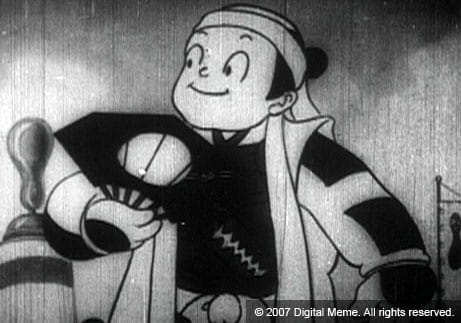
movie· 1938· Finished Airing
Mabo no Kinoshita Toukichirou
mal
Samurai
A boy works hard to please his lord and gain advancement. Short film from 1938.
Provider ★ 5.0·0 tracking
Canonical catalog
253 titles
A boy works hard to please his lord and gain advancement. Short film from 1938.
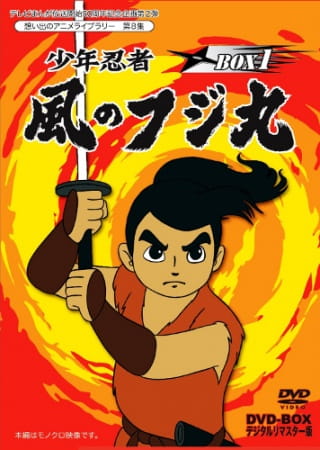
Kidnapped and rescued by a Ninja, Fujimaru has mastered martial arts over the years. Now he sets off on a journey to find his mother and also locate an old tome containing secret martial arts techniques. (Source: AniDB)
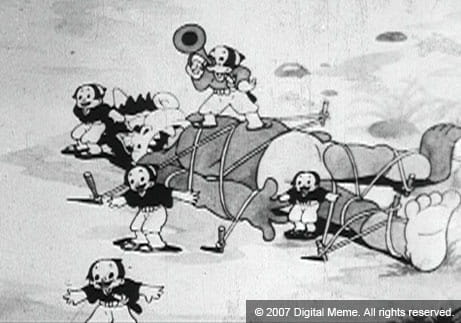
Dreaming of rising up in the world, Chibisuke the little bonze travels to the city, where he becomes a retainer to a Cabinet minister, who takes a liking to Chibisuke who dances for him in his palm. One day, Chibisuke is accompanying a princess to Shimizu when a mountain devil attacks her. Chibisuke makes numerous surprise attacks on the devil before finally overcoming him, and using a horn of plenty left behind by the devil, he ends up a strapping young man. (Source: Digital Meme)
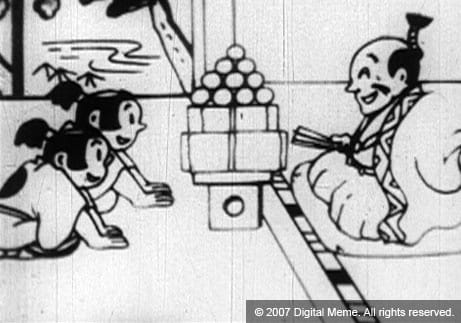
Short film where the hero Hatanosuke battles with an evil gang of thieves.
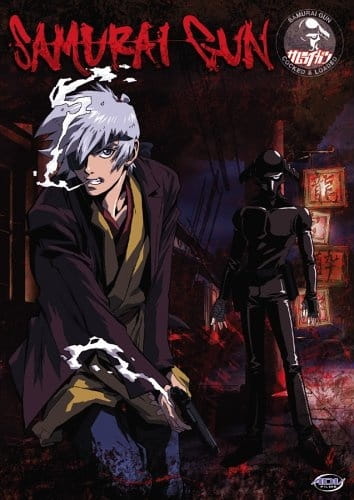
Unaired episode 8.5 of Samurai Gun. Ichimatsu goes on a mission to replace the enemy's keybook with a fake one, while Ohana gets kidnapped.
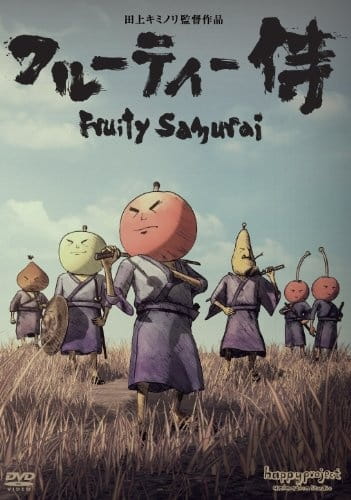
Classic samurai movies and absurd humor collide when fruit-headed warriors cross blades and tempers! (Source: HDIVE)
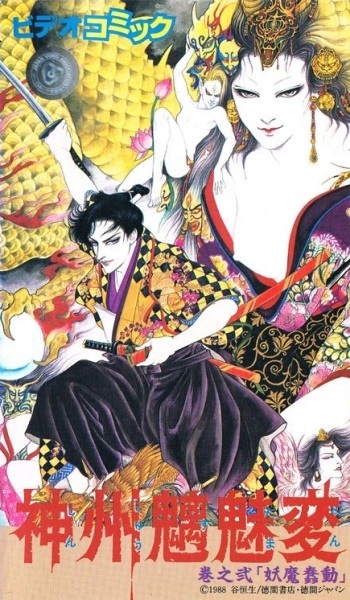
In medieval Japan's Genroku era, the young warrior Yoshiyasu Yanasawa approaches Takakaru, the leader of the Hazuki clan in search of the power of the Golden Dragon, unaware that the power of the dragon flows within the very bloodstream of the maiden Orie. (Source: The Anime Encyclopedia)
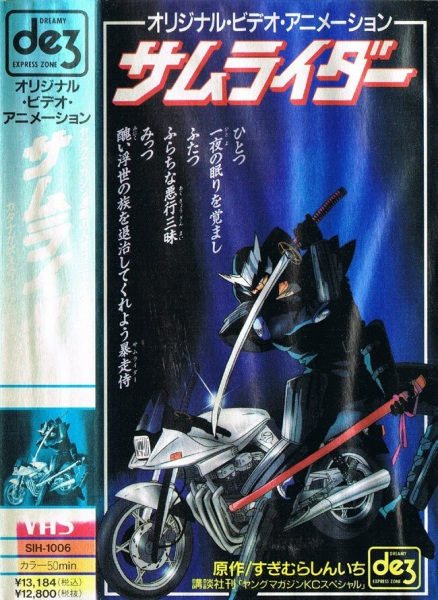
In a combination of samurai movies and Bomber Bikers of Shonan, Tokyo street punk Masao buys a treasured FZR "katana" motorcycle and becomes a knight of the road, attacking criminals with a genuine katana sword. Based on the manga by Shinichi Sugimura published in Young Magazine.
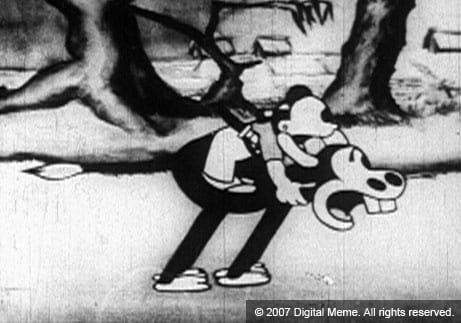
The hero Taro attempts to rescue a kidnapped girl from a bandit. Short film from 1936.

An animated trailer for a new Ninja Scroll project, revealed in 2012. Since no further news have surfaced regarding this project, the trailer is all that remains.
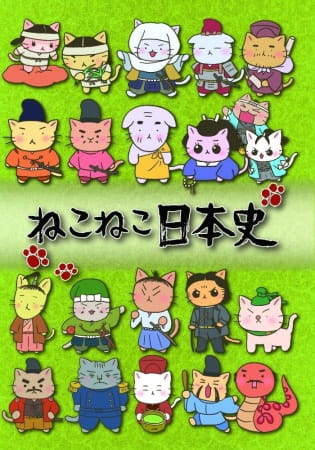
Second season of Neko Neko Nihonshi.
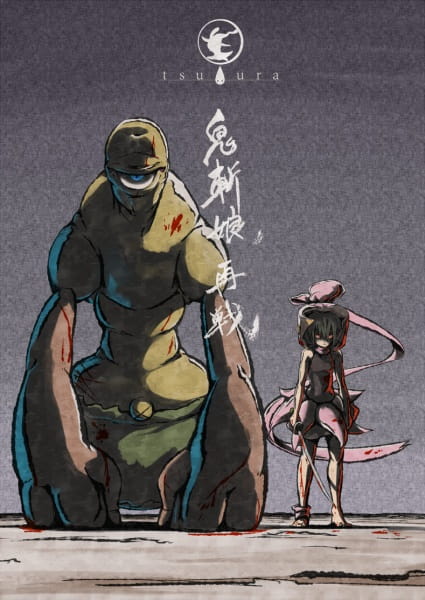
A girl and demon battle out on a field as they have their pride on the line.

Pilot film released on the HIDORI official channel to garner interest for the Kickstarter of the upcoming Hidari stop-motion movie.
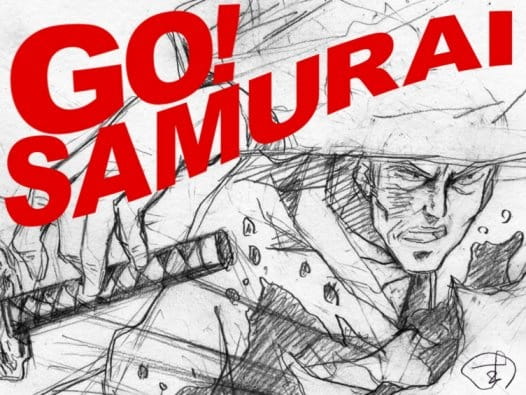
Animated short by Keiichiro Kimura about a single samurai that fights for his life against 100 of his vicious enemies.


Tono to Issho OVA.
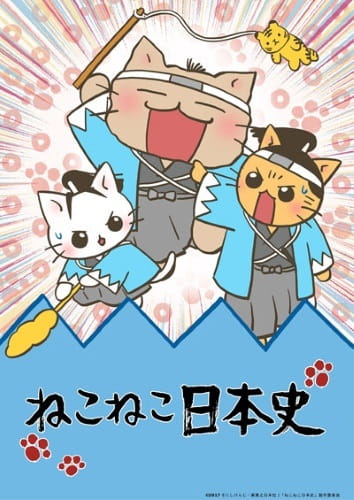
Third season of Neko Neko Nihonshi.

Commercial for the Samurai Mac burger in McDonald's Japan, as a collaboration with manga artist Tetsuo Hara.

Set in the Henan Province of China during the 17th century, three teenagers are sent to a Shaolin Temple to learn the style of Kung Fu against a ruthless Demon, not seen since the Sui Dynasty, who terrorizes the province in order to search for two magic books to create more power and being stronger in world domination. (Source: Wikipedia)
Two blade-wielding adversaries face off against each other, but neither of them can gain the upper hand. As the battle eventually reaches a draw, the only thing left to do is reconcile. [Written by MAL Rewrite]

15th Century Japan is ravaged by constant wars, as the lords of the realm seek to rule the land. Having lost your father in battle, you are working in the restaurant he left your mother and little brother...when an evil magistrate sends your little brother away...to become a poison taster! To save his life, you disguise yourself as a boy and go to the castle in his place...but what awaits you there is so much more! "I'll show you all...my divine rule!" In the Sengoku era...love is the most dangerous battle of all! (Source: Voltage)
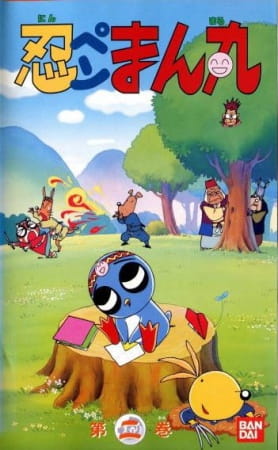
Manmaru goes to ninja school at Nenga, where foxes and raccoons study the art of assassination under a bear ninja master. He is soon thrown in to local rivalry between the Nenga school, the Koga (monkeys), and the Iga (dogs), as well as facing temptations from the Dobe, a group of dropouts from the Nenga. (Source: The Anime Encyclopedia)
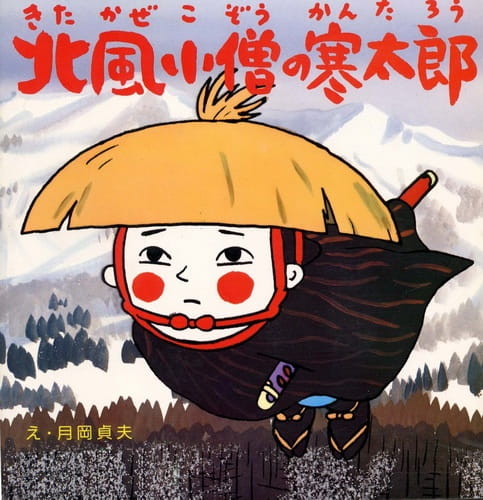
This music video had an original 1974 version and a 1981 version. Both versions used the exact same animated footage, the only difference were the singers. The original 1974 version was sung by Maasaki Sakai and the NHK Tokyo Children's Choir. The 1981 version was sung by Saburou Kitajima and the Hibari Children Chorus.

A theatrical edited release of episode 21-26.