
movie· 2000· Finished Airing
Honnouji no Hen
mal
HistoricalSamurai
Not yet rated·0 tracking
Canonical catalog
253 titles

A series of children's OVAs covering various stories from old folk tales, books, and historical events. Each OVA has a various amount of stories featured.

The 3-part series commissioned by Japan Construction Training Center for educational purposes (to elementary schools originally) shows how civil engineering has developed Japan into the country it is now. Part 1: Takes place in the Nara period and covers Chinese Buddhist monks which came to Japan and taught the people Buddhism and how to construct and fix bridges and pods to improve the lives of farmers suffering from drought and taxes in what is currently the Hyoujo Prefecture. Part 2: Takes place in the Sengoku period and covers Takeda Shingen and how the Kai Province was always plagued by the violent river rains dues to the mountain region surrounding them to them causing the Kofu Basin to flood. He funneled man-power into developing a system of flood control using stone embankments and planting tree lines. The civil engineering project is also the foundation for the Roushigumi which later became the Shinsengumi in the Edo period. Part 3: Takes place in the Edo period and covers the Meiji government wantin to catch up with the rest of the world's technology and hired many foreigners to implement the success of the Western world's industrial revolution. "Contract foreigners" (oyatoi gaikokujin) brought knowledge of: lighthouses, railways, ports, water supplies, improved flood control, and education. The railways specifically were handled by the British railway engineer Edmund Morel who was a mere 28 year old. The project was completed in 2 years connecting Tokyo to Yokohama in 1872 as Japan's first railroad and first two railroad stations. Unfortunately Morel had tuberculosis and died in right before the projected completed but he advised many Japanese scholars and engineers on railway production in his own home til his dead which lead to the boom of ever-so-famous-and-successful Japanese railway system.
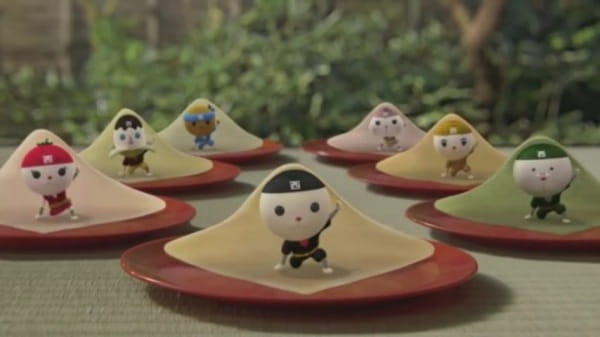
A CGI commercial for Honke Yatsuhashi Nishio which aired on TV. Yatsuhashi in general are a traditional Japanese confection made from rice, sugar, and cinnamon and a common souvenir from Kyoto. The ninja mascots have gone on receive a mobile manga, character goods, and stickers on LINE.
Bandai's new toy line for boys: Mushinin. It combines bugs (mushi) and ninja (nin). The anime follows the various characters as they train in their ninja arts at a local playground.

Various classic Japanese fairy tales told for child aged audiences.
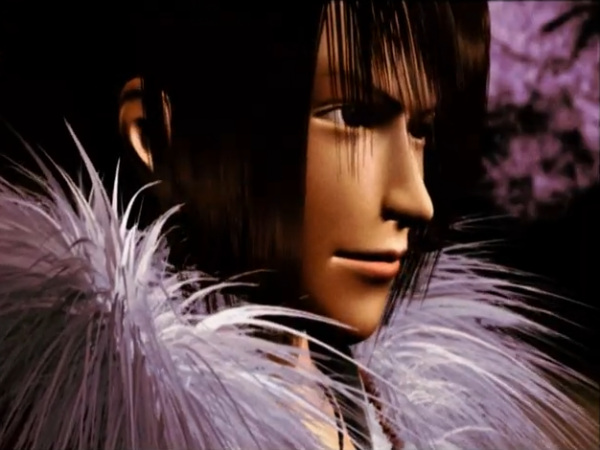

An educational anime about the 3 major warlords in the Sengoku era. Oda Nobunaga, Toyotomi Hideyoshi, and Tokugawa Ieyasu.
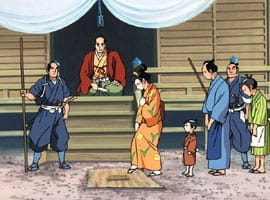
An educational film about Tokugawa Iemitsu. He was the grandson of Tokugawa Ieyasa (who founded the Tokugawa shogunate and ended the Sengoku era with his victory). Iemitsu is mostly known for his xenophobia and tried to close Japan to the world, this is known as Sakoku. The policies he put into place blocked out Japan for nearly 200 years which eventually caused internal strife and internal war in the Meiji era when Japan opened its borders again only to find it was economically, politically, industrially, scientifically, and culturally behind the rest of the world.
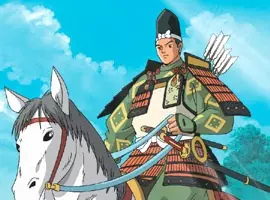
An educational film about Minamoto no Yoritomo. He founded the Kamakura shogunate which reigned from 1192 to 1333.
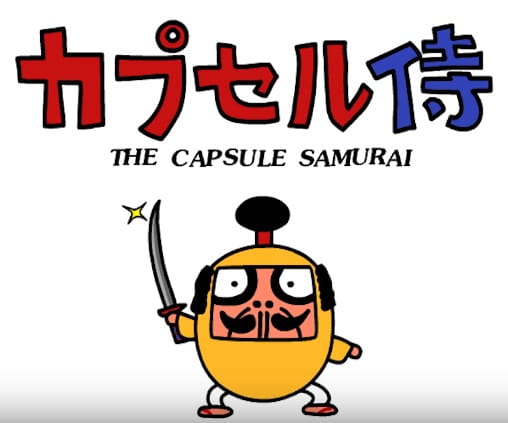
A series of shorts shown on the NHK's channel Eigo-rian, which taught children English.
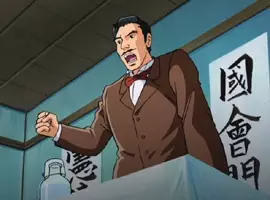
An educational film about Yukichi Fukuzawa who helped head the Meiji Restoration after Japan's 200 year isolation.
