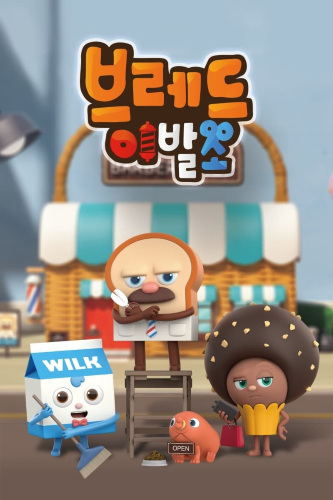
tv· 2019· Finished Airing
Beuledeu Ibalso
mal
AnthropomorphicComedyFantasy
Not yet rated·0 tracking
Canonical catalog
7081 titles
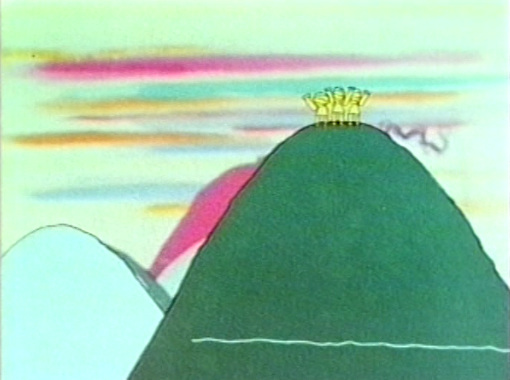
The Japanese version of the 1880 Neapolitan song Funiculì funiculà, originally composed by Luigi Denza, with lyrics from Peppino Turco. It was written to commemorate the opening of the first funicular railway on Mount Vesuvius. A Japanese rendition of the song performed by Duke Aces was originally broadcast on NHK's Minna no Uta program in April 1961. It was released under the title Tozandensha (Mountain Railway) and was accompanied by shadow play from the Kakashiza Shadow Play Theatre. It is believed to now be lost media. In June 1970, a performance of the song by the Hibarigaoka Boys and Girls Choir (Hibarigaoka Shounen Shoujo Gasshoudan) was broadcast on the Minna no Uta program, this time under the original song title. The accompanying video was animated by Hal Fukushima.
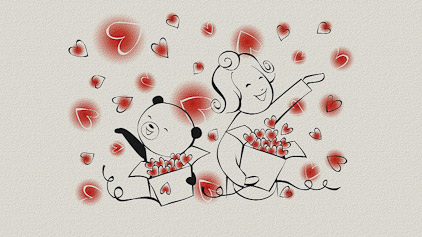
Music video for the song Happy Happy Birthday by Mayo Okamoto that was featured on NHK's Minna no Uta program. The video features artwork by Mariko Kikuta that were animated by CoMix Wave.
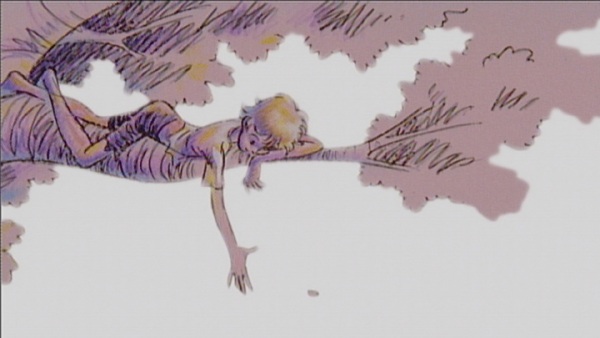
Music video for the song Haru Natsu by Ayumi Shigemori that was featured on NHK's Minna no Uta program. It features a blend of live-action scenery and animation by Kouji Nanke.
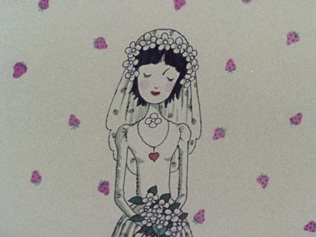
Music video for the song Ichigo no Hanayome-san by Maro and Kuni Kawachi that was featured on NHK's Minna no Uta program. The video was animated by Seiichi Hayashi.
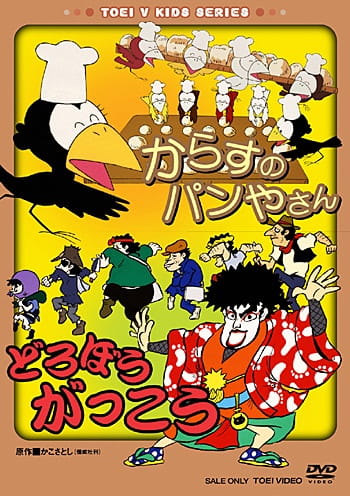
A double feature based on a best-selling children's books by Satoshi Hako. Karasu no Panya-san is about a crow bakery in the forest run by a couple and their children. Dorobou Gakkou is about the self-explanatory goings-on at an educational institute with a difference. (Source: The Anime Encyclopedia)
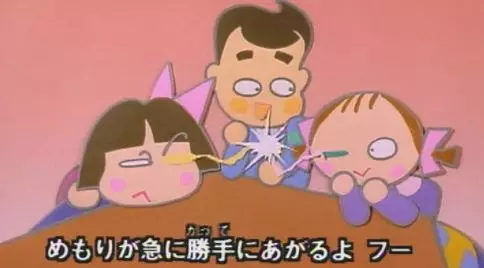
A little girl gets a kotatsu stuck to her.
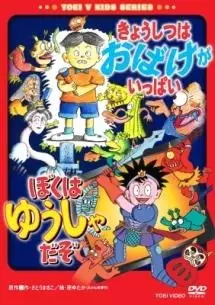
A double feature based on a best-selling children's books by Makiko Sato. Kyoushitsu wa Obake ga Ippai is about a boy named Dai-kun how tries to overcome his fear of ghosts when the Haunted House at his school festival turns out to be filled with real ghosts. Boku wa Yuusha da zo is about a boy named Hiro-kun who loves Hero video games and ends up switching places with one.
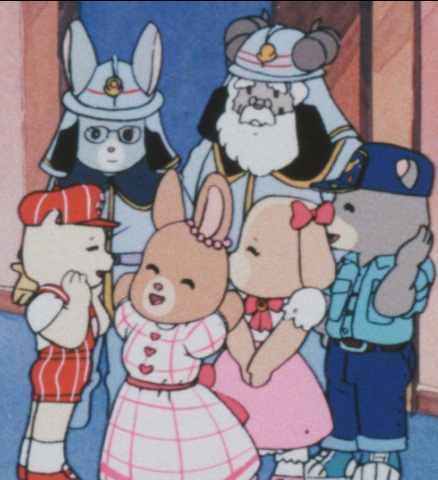
A fire safety video starring the cast of Maple Town Monogatari.
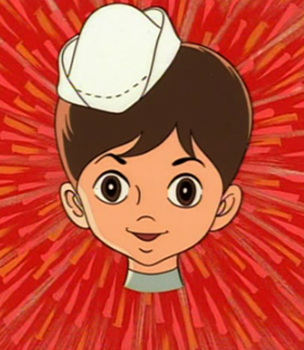
Jumping out of the cupboard, Chi-cha and Ikeho ask for Misuke's help, saying that they have to answer a quiz that the god Don-dan has given them to save their mother. Misuke then heads for a country in the south passing right through the cupboard. (Source: Official Website)

When Narcissus's begin to bloom, Spring is just around the corner. But today is the fourth of the Narcissus Month, the day of Winter's last icy breath... The original story of this film was written by Kenji Miyazawa, the most famous fairy-tale writer and poet in Japan. (Source: Official website)
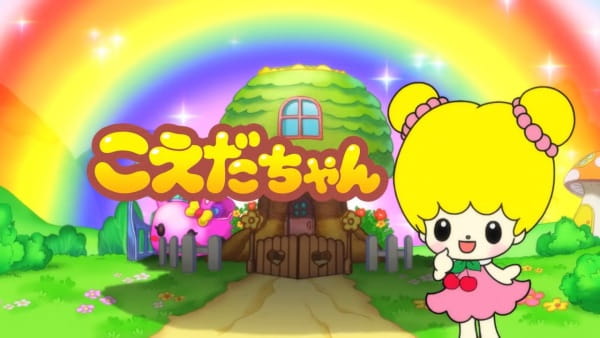
A new Koeda-chan franchise web anime based on the Takara Tomy toy line. This particular series takes place solely in Koeda-chan's world.
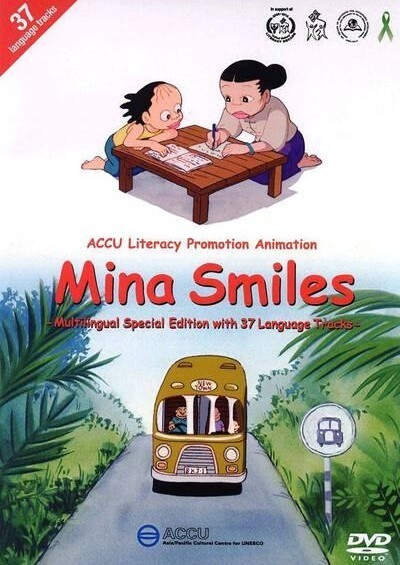
In a village in Asia, there is a family with five children. Mina and her husband, Jai who never learnt to read and write, work in the field. One day, Jai suddenly falls ill from stomach cramps. Mina urgently looks for medicine, but she can't find the right container among so many different kinds. Mina decides to go to the clinic in town with the empty bottle. When she reaches the clinic, the doctor is surprised by the bottle she has brought. The bottle is not for medicine, but for pesticide! When she returns home Mina tells Jai what happened in town. And she tells him frankly that she wants to attend literacy class. The story tells you what problems illiterates in Asia and the Pacific are facing and shows the importance of literacy. (Source: ACCU)
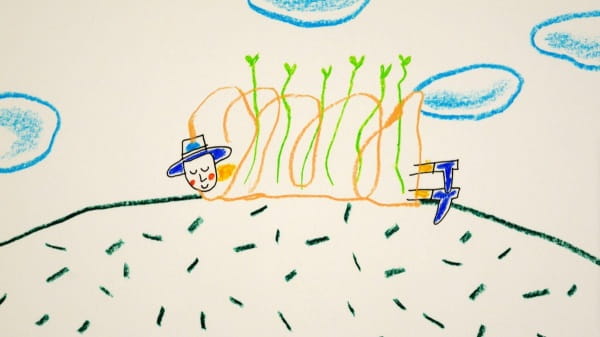
On a cold winter morning, a warm blanket is an oasis for everyone.
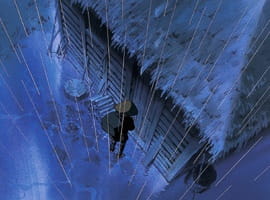
A traveler seeking protection from a storm knocks on the door of a house. The family turns him away as they have a sick daughter and don't want the trouble. The traveler pities the daughter and gives them medicine. A doctor comes to visit next and says that's the medicine the daughter needs. The takes it and gets better. The family is ashamed of their inhospitality and promise to let the traveler stay if they come by again. The traveler ever did.
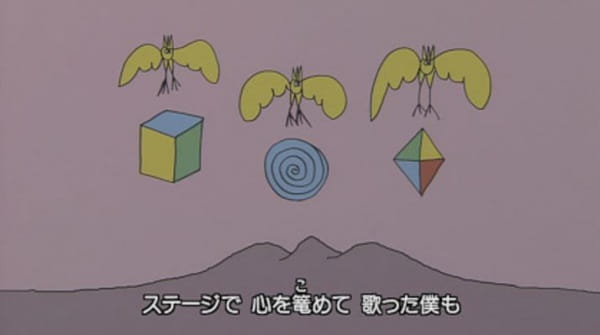
A song about birds who delivers dreams to those sleeping under the light of a shooting star.

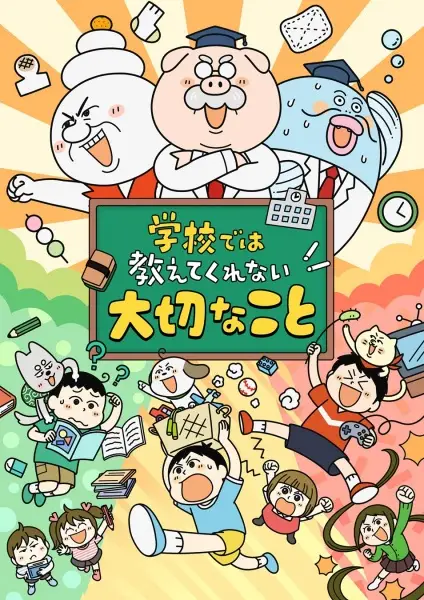
Unique and reliable "experts" appear before elementary school students who are struggling with issues such as "I'm not good at tidying up," "I keep putting off my homework because I'm so obsessed with games," and "My grades aren't improving as much as I'd like," and provide passionate instruction to teach them important things that they should learn but that they won't learn at school. (Source: MANTANWEB, translated)
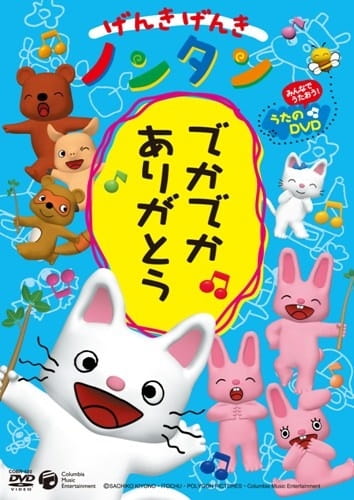
7 sing-along songs and nursery rhymes featuring the main cast acting them out. Some are international classics such as Ten Little Indians and others are classic Japanese ones such as Close Hands, Open Hands (Musunde Hiraite).
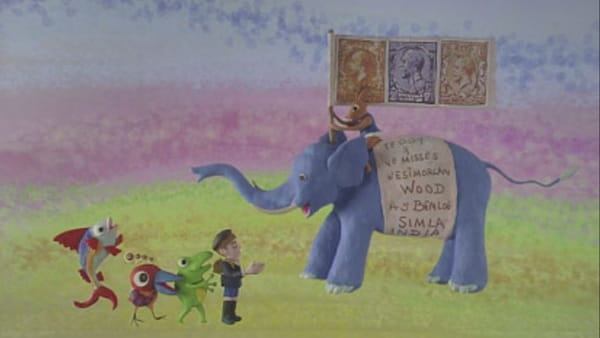
A young boy receives colorful fun letters from his grandfather with hand drawn pictures.
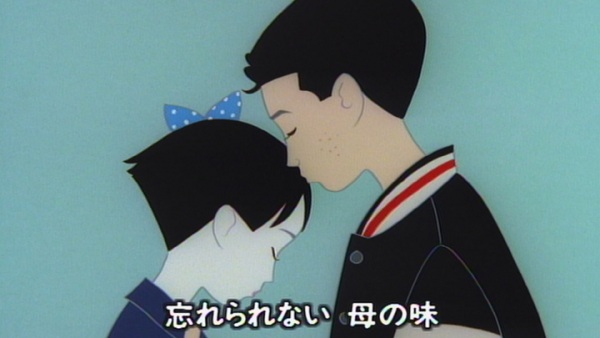
Music video for the song Omoide Onigiri by Miyuki Mori that was featured on NHK's Minna no Uta program. The video was animated by Seiichi Hayashi.

Music video for the song Sotsugyou Mae: 10-hi de 100 no Dekigoto by Ayako Shimizu that was featured on NHK's Minna no Uta program. The video was animated by Seiichi Hayashi.
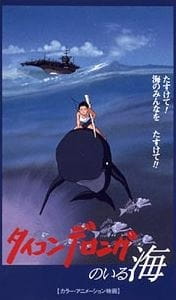
Based on a children's picture book of the same name. On December 5, 1965, a U.S. aircraft carrier is en route from Vietnam to Yokosuka, Japan. While conducting training exercises 80 miles off Okinawa, an A4 strike aircraft is loaded with a B43 hydrogen bomb, but it falls overboard and sinks in 16,000 feet of water. Based on the true story of the USS Ticonderoga, which reached Japan two days later (on the anniversary of Pearl Harbor; nice touch). Neither side revealed the incident, nor that she was carrying atomic weapons in contravention of U.S. treaties with Japan. The plane, its pilot, and the bomb were never recovered, and the incident was only declassified in 1989, causing an outcry in Japan and resulting in this environmentally themed anime. The extra "n" in Ticonderonga may be a genuine error in transcription or an attempt to distance the story from real events, since the anime continues with Ashika, a boy from a Japanese fishing town, contacted by telepathic whales who bring him visions of fearful seamonsters. Then again, if you were a whale given a choice between nuclear contamination and talking to Japanese fishermen, which would you choose? (Source: The Anime Encyclopedia)
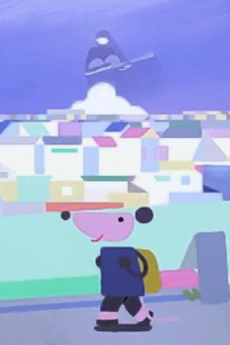
Music video for the song Chiisaki Mono-tachi by MAN WITH A MISSION that was featured on NHK's Minna no Uta program.