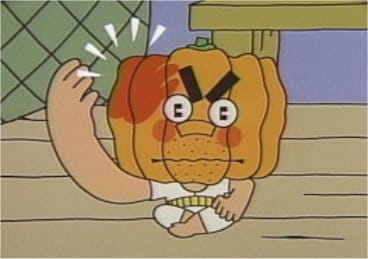
music· 1987· Finished Airing
Kabocha no Ojisan
mal
KidsMusic
A music video for the song Kabocha no Ojisan by Tetsuo Miyoshi. Aired as part of NHK's Minna no Uta program.
Provider ★ 5.3·0 tracking
Canonical catalog
7081 titles
A music video for the song Kabocha no Ojisan by Tetsuo Miyoshi. Aired as part of NHK's Minna no Uta program.

The 3-part series commissioned by Japan Construction Training Center for educational purposes (to elementary schools originally) shows how civil engineering has developed Japan into the country it is now. Part 1: Takes place in the Nara period and covers Chinese Buddhist monks which came to Japan and taught the people Buddhism and how to construct and fix bridges and pods to improve the lives of farmers suffering from drought and taxes in what is currently the Hyoujo Prefecture. Part 2: Takes place in the Sengoku period and covers Takeda Shingen and how the Kai Province was always plagued by the violent river rains dues to the mountain region surrounding them to them causing the Kofu Basin to flood. He funneled man-power into developing a system of flood control using stone embankments and planting tree lines. The civil engineering project is also the foundation for the Roushigumi which later became the Shinsengumi in the Edo period. Part 3: Takes place in the Edo period and covers the Meiji government wantin to catch up with the rest of the world's technology and hired many foreigners to implement the success of the Western world's industrial revolution. "Contract foreigners" (oyatoi gaikokujin) brought knowledge of: lighthouses, railways, ports, water supplies, improved flood control, and education. The railways specifically were handled by the British railway engineer Edmund Morel who was a mere 28 year old. The project was completed in 2 years connecting Tokyo to Yokohama in 1872 as Japan's first railroad and first two railroad stations. Unfortunately Morel had tuberculosis and died in right before the projected completed but he advised many Japanese scholars and engineers on railway production in his own home til his dead which lead to the boom of ever-so-famous-and-successful Japanese railway system.
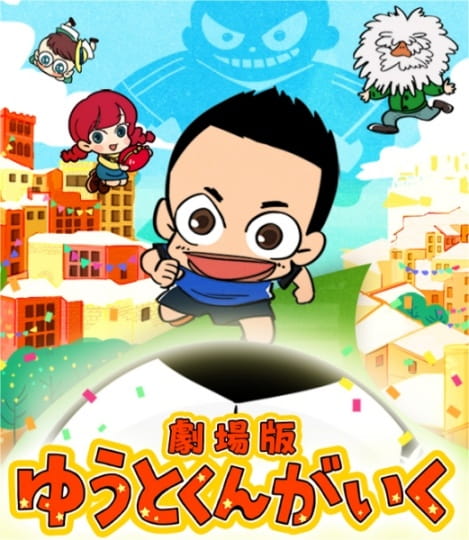
Movie of Yuuto-kun ga Iku.
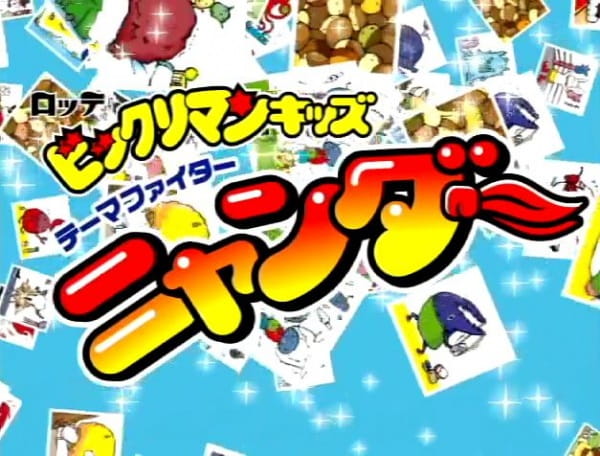
A Bikkuriman spinoff. This anime was a brand-awareness promotion for a new chocolate candy line; but the anime focuses on the characters in their universe without any actual product placement or reference to the chocolate.

Corocoro Coronya is a cat who loves to roll (corocoro) and spends a lot of his time in a cornet. San-X released this character with goods, LINE stickers, and merchandise in 2017 though its public debut was in 2016.


Lalala Lala-chan video letter style episodes. Characters break the 4th wall to talk to the viewer as if it was a reality show studio being filmed on camera. The episodes are meant to complement each episode of Lalala Lala-chan.
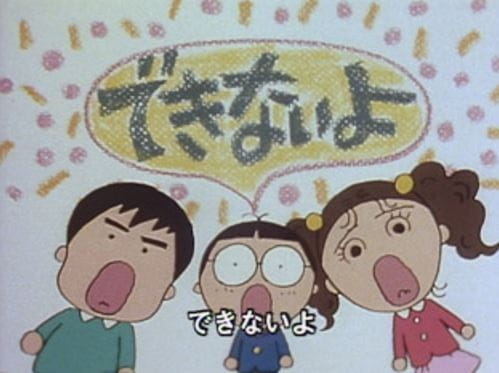
6 children sit in front of the classroom and constantly gossip. When one of them is absent for three days due to a cold, the rest remain quiet as they don't want to leave the other child out from day-to-day gossip.
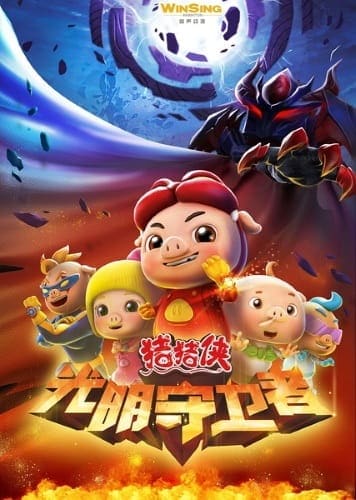
Twin City, as legend has it, is an evil city which was born at the time when Crystal City was created. There is a mirror-like lake above the city which has a horrifying power. It enables people to face the darkest side deep within their hearts. This darkness manifests as the person's opposite. The heroes must send these malicious beings back to their realm before they tear Crystal City apart.
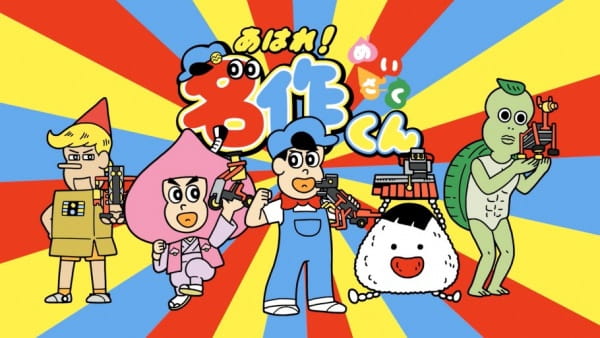
Collaboration episodes between Aware! Meisaku-kun and Human Academy Robot Kyoushitsu, a robot building academy workshop with courses aimed towards pre-school to middle school aged children.
Various people try to write a small letter to those significant in their lives.

An amusing 3-minute clay animation that Yuuichi Itou (Harbor Tale, Knyacki!) produced for "The Earth and Children of Tomorrow - Pray for Happiness" campaign by TVK (Television Kanagawa). Doron Coron comes to life after a child angel tinkles off a cloud. This unusual heavenly elixir rains down onto a dark city street and brings to life the titular boy character made of dirt who rolls off to explore the city. He has a pleasant interaction with a worm, and a not so pleasant interaction with bird excrement, but is cheered by the growth of a plant on his head. The plant grows and grows and Doron Coron heads to the countryside where he enjoys pleasant interactions with the natural world. (Source: Nishikata Film Review)
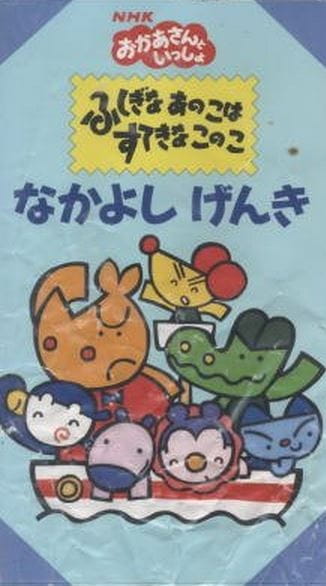
An NHK toddler's anime following animals and their adventures.

Music video for the song Hajimemashite, wo Atsumeyou. It is the theme song for monpoké.
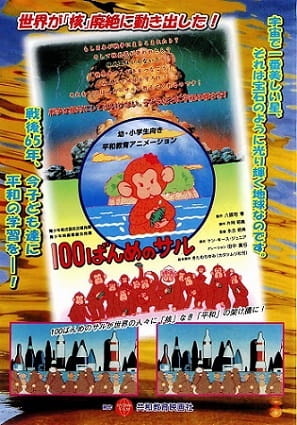
Based on the 1981 book of the same name by new age guru Ken Keyes, Jr., which in turn is based on the story of a 1952 experiment on the southern Japanese island of Kojima. (Please note that the "Hundredth monkey effect" is discredited in the scientific community.) Once one monkey has learned how to wash its food, it is able to teach others the same skill. When a certain number have learned (and Keyes suggests an arbitrary figure of 100), not only do the remaining monkeys suddenly appear to know how to do it, but so too does a completely different group of apes on a completely separate island. Keyes uses this apocryphal tale as a parable for the antinuclear movement, as "proof' that change would come if enough people joined forces. (Source: The Anime Encyclopedia)
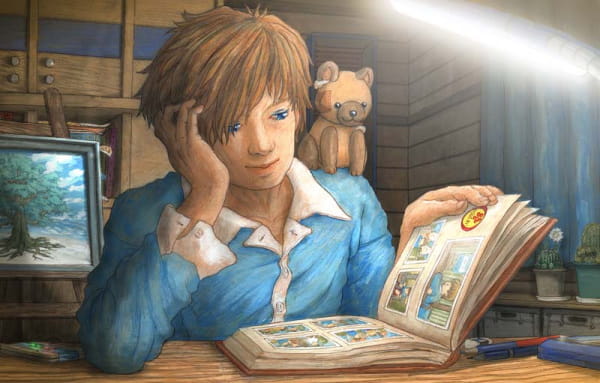
An inspirational song about it is difficult to dream when being scolded but encourages kids to allow themselves to feel these emotions because it is vital in growing up.

Anime about dog-like alien Nonkuro.

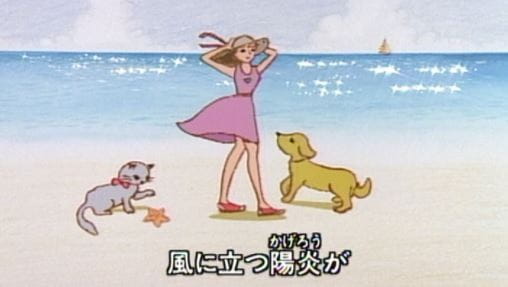
A young couple enjoys the summer beach side and hope that their next summer is just as fun and full of love.
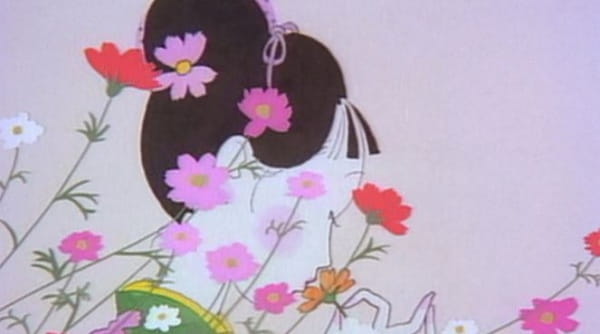
A young woman reminisces about the autumn season.
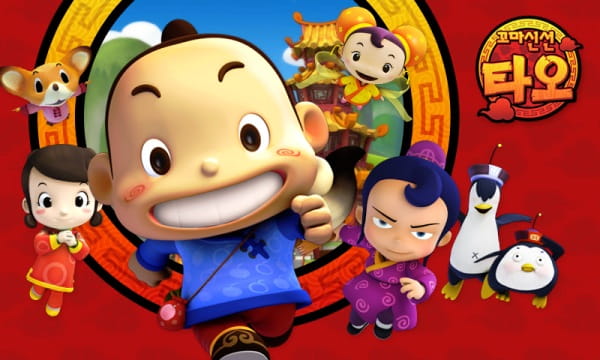
This Korean and Chinese co-production series focuses on Tao, a young boy with magical powers, as he attends school to become a wizard. Each episode was composed of two stories. (Source: Wiki)
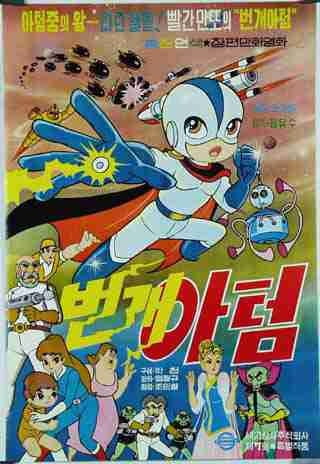
The story of a young boy who uses his electric super powers to help the innocent.
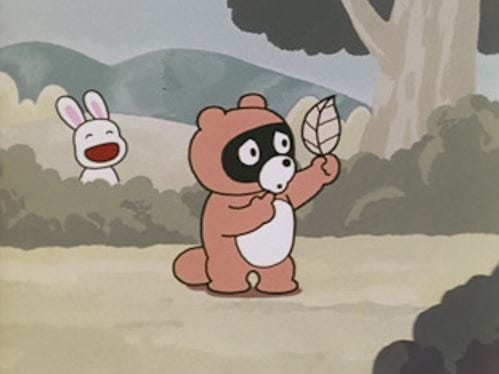
A song about a tanuki named Ponta who struggles using his tanuki powers.
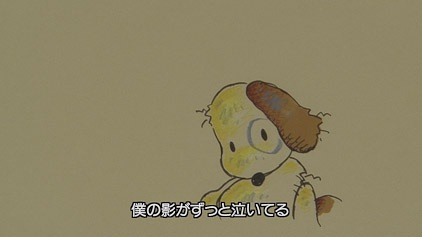
Music video for the song Yasashi-sa by Japanese band KUKIKODAN that was featured on NHK's Minna no Uta program. The video was animated by Kouji Nanke.