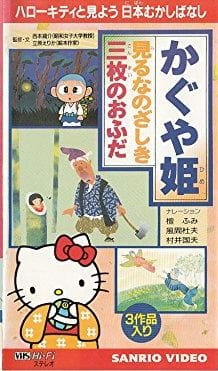
ova· 1993· Finished Airing
Hello Kitty to Miyou: Nihon Mukashibanashi
mal
FantasyKids
Hello Kitty themed Japanese fables.
Not yet rated·0 tracking
Canonical catalog
7081 titles
Hello Kitty themed Japanese fables.
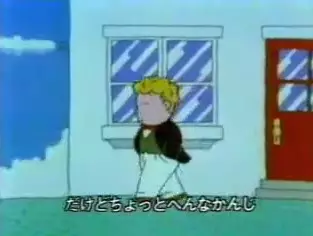
Music video featured on NHK's Minna no Uta program.

The third movie version of “Shijiro no Wao!”, A TV program for children, featuring the popular character “Simajiro”. It consists of an anime part depicting the great adventures of Shimajiro and friends, and participatory live-action parts such as songs and quizzes. One day, Shimajiro's sister feels the SOS of a “motherwood” tree higher than the clouds in a mysterious dream. So the Shimajiro and others were riding on the Kibo of Gaogao to help the motherwood, and the fog with the motherwood headed to the island ... (Source: Allcinema)
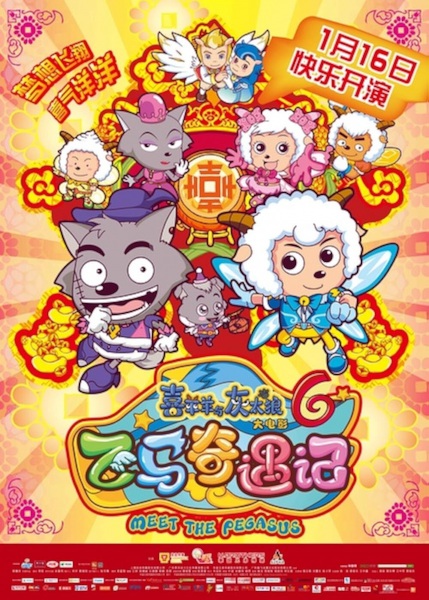
In fairytales, the handsome prince, with some help from friendly dwarves, always marries the beautiful princess and lives happily ever after with her. This, unfortunately, is not the case for Prince Pegasus. Due to the meddling of Dwarf Pegasus, Prince Pegasus is not only stopped from marrying his princess, but also falls from Pegasus City down to Green Green Pastures! Now, it's up to Pleasant Goat and his friends to help Prince Pegasus return to his home! As always, though, Big Big Wolf is closely following the goats... (source: YesAsia)
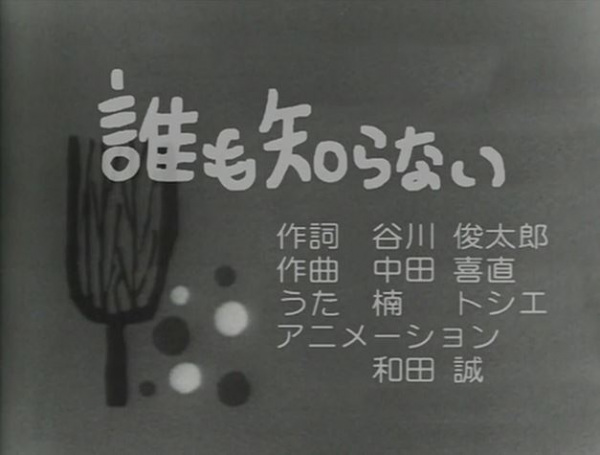
One of the first Minna no Uta music videos ever created. It follows a child's imagination where "nobody knows" the answers to his questions such as what does a star taste like, if he throws his dad's hat really hard into the sky does it become a UFO, when worm wiggles around is it really wiggling into the shape of a number and calculating mathematics, etc.
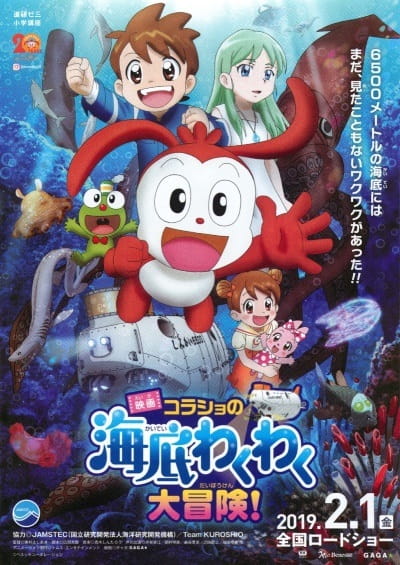
The character Korosho, a spirit of a randsell backpack, is from Benesse's "Shinken Zemi Shogaku Kouza" correspondence course for early elementary schoolers. The film is a collaboration with the Japan Agency for Marine-Earth Science and Technology (JAMSTEC) and Team Kuroshio, a team of researchers and engineers dedicated to studying the ocean floor. (Source: ANN)
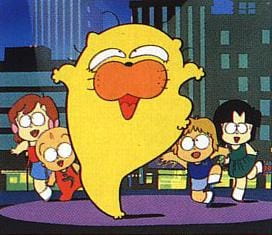
Bad-tempered fat cat Oyoyo charms his idiot human family but fights an ongoing battle with other neighborhood pets. (Source: The Anime Encyclopedia)

A story that unfolds around the children of the gentle Green Village, where questions as What is ecology? What is friendship? are answered.
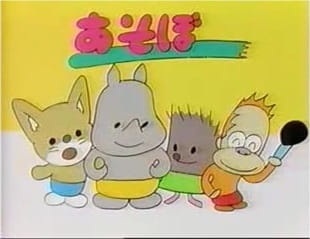
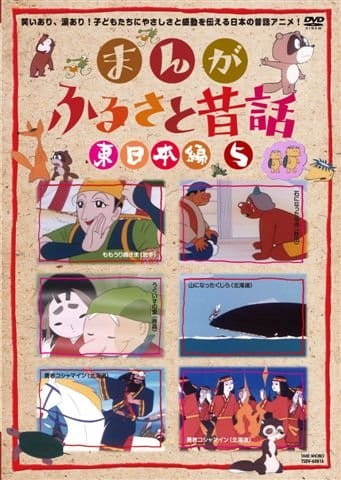
Folktales from Japan. Each episode was composed of two stories. The focus of the anime was to showcase folktales from different prefectures. The original airing only reached 18 episodes (36 stories) before stopping, the show was rebroadcast at a later date and the final 8 episodes (16 stories) were shown. The anime was family oriented and funded by the Seibu Department Store chain with a "Seibu Family Gekijou" subtitle on each ep, perhaps to mirror the highly successful "Calpis Family Gekijou" adoring the World Masterpiece Theater anime program.

Second season of Punirunes.
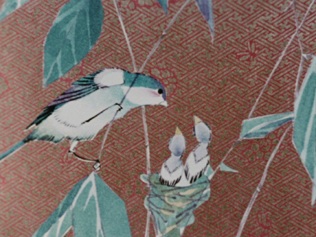
Music video for Rumiko Koyanagi's rendition of Akai Yama Aoi Yama Shiroi Yama that was featured in NHK's Minna no Uta program. Warabe uta are traditional Japanese songs, similar to nursery rhymes, that has been passed down through the ages. This song originated from Hokkaido. The video was animated by Seiichi Hayashi and is his first contribution to the Minna no Uta program.
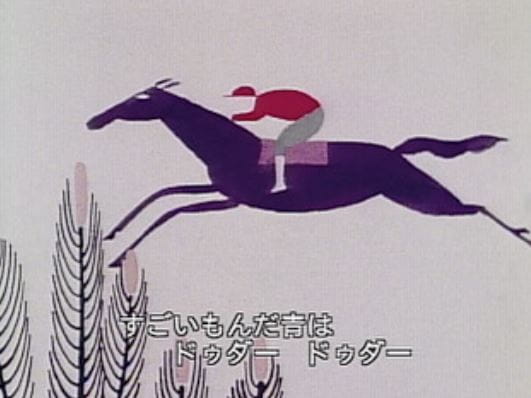
A Minna no Uta version of the classic English song "Camptown Races."
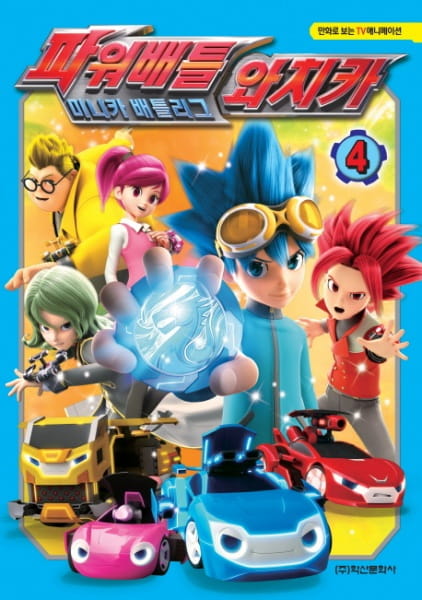
The second season of Power Battle Watch Car.
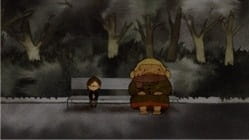
The main character is a woman that has electric current on her body. She is very lonely and nobody approaches her. Till, one day, a little boy is not afraid of her, and they turn friends.
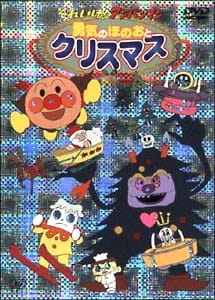
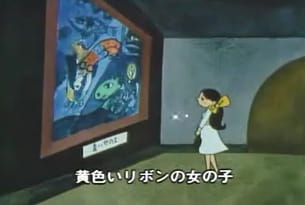
Music video for the song Tenrankai de Atta Onnanoko by Arai Man. Aired as part of NHK's Minna no Uta program.
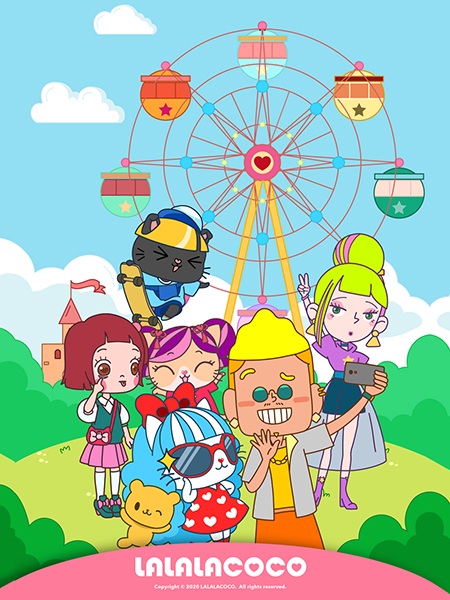
About a girl who loves cute things so much that her daily routine is finding them.
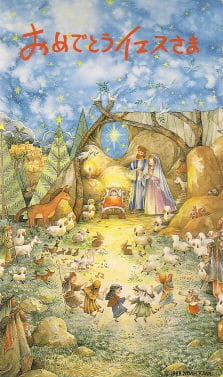
Tells the story of Jesus' birth in the manger that starts out with an angel coming to tell Mary that she's pregnant.

Music video about Hanimaru and his horse.
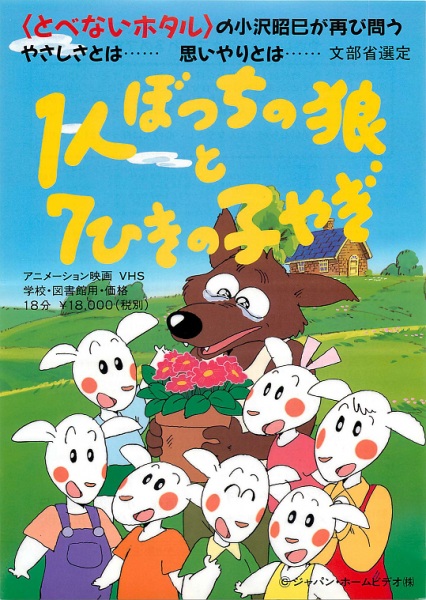
An adaptation of the The Wolf and The Seven Little Goats story.
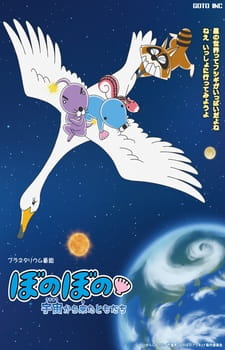
A planetarium film for Bonobono screened on a full dome. Bonobono meets and alient hat looks just like him, together with everyone they go to space and explore the planets and stars. The film was first screened at the Shinagawa Gotanda Cultural Center Planetarium.