
Movie· 1964· Released
A Lady from the Window
tmdb
RomanceDramaHistory
Adventures of a two little girls kidnapped from their families.
Provider ★ 7.5·0 tracking
Canonical catalog
1000 titles
Adventures of a two little girls kidnapped from their families.

In an attempt to earn money for a bride dowry, a young man unwittingly embarks on a globe-trotting journey that takes him from his homeland of North Ossetia all the way to Alaska.

14th century. Santiago obsessed with a punishing God, on an initiatory trip on his way to Santiago de Compostela, sees his chastity and aptitude put to the test. Santiago rejects the sin of the flesh and eventually falls into a trap. He is unjustly arrested and sentenced to death.

Lesson in History was produced when Peters was a student at the West Surrey School of Art and Design. Having read The People Could Fly by Virginia Hamilton, she was inspired to make what she describes as 'the stories of black achievement and how stories had not been told.' The animated film was subsequently screened on the BBC as part of the series 10X10. It was shot on 16mm using cutouts, photography and masks.

The saga of Pushkin and the Decembrists, based on a letter by Matvey Muravyov-Apostol, found in Yalutorovsk during the Soviet era.
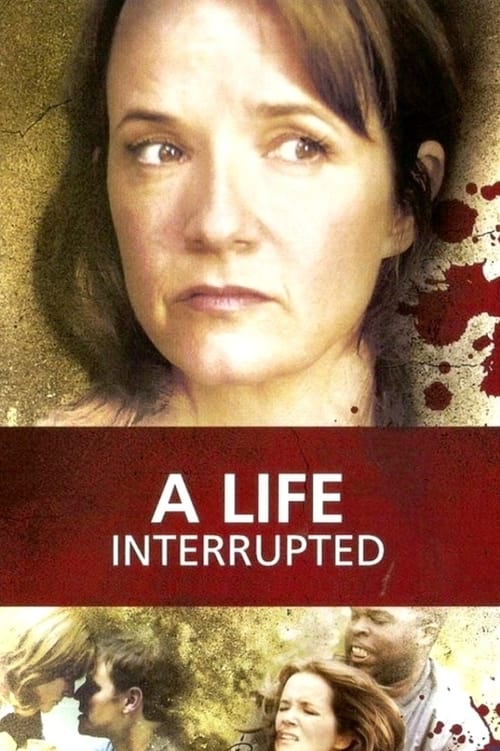
After Debbie Smith was raped, she didn't take the law into her own hands. She wrote the law... Based on a true story. In 1989, Debbie Smith was living a quiet life as a housewife with her police officer husband, Rob and their two kids, but one day it's all shattered. While her husband slept upstairs, Debbie was dragged from her kitchen in broad daylight and brutally raped in the woods. After going through the dehumanizing rape-kit, she waited with fear and paranoia. Six years later, her rapist was caught through a chance DNA test. After learning how many rape-kits go untested and how long women wait to get justice, Debbie makes it her mission so no more women will suffer the long wait to get justice.
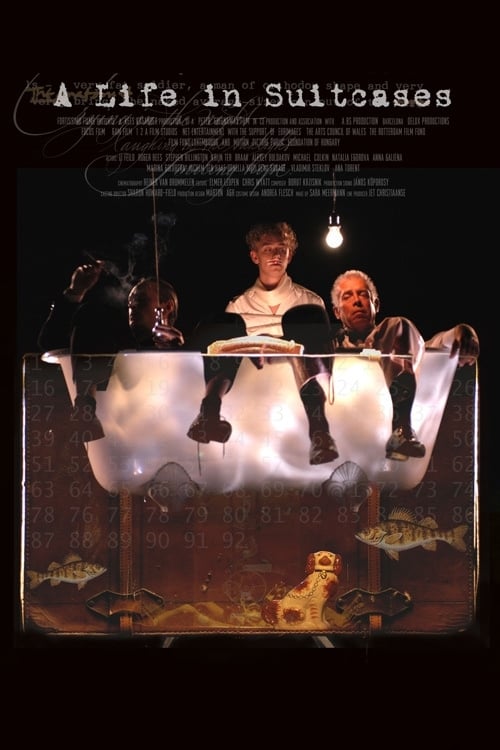
A comic study of 20th-century history, reconstructing the life of writer, creator and professional prisoner Tulse Luper. Born in 1911 Newport and last heard of in 1989, Luper’s life is pieced together from the evidence found in 92 suitcases scattered across the globe. A Life in Suitcases condenses the six-hour trilogy into a single two-hour feature, and in doing so, accentuates the project as a filmic essay in multiple narratives, listings, sidebars, footnotes, commentaries and anecdotes; a project for an Information Age ready to understand that there never is a phenomenon called History, there can only be Historians, gatekeepers to vested interests.
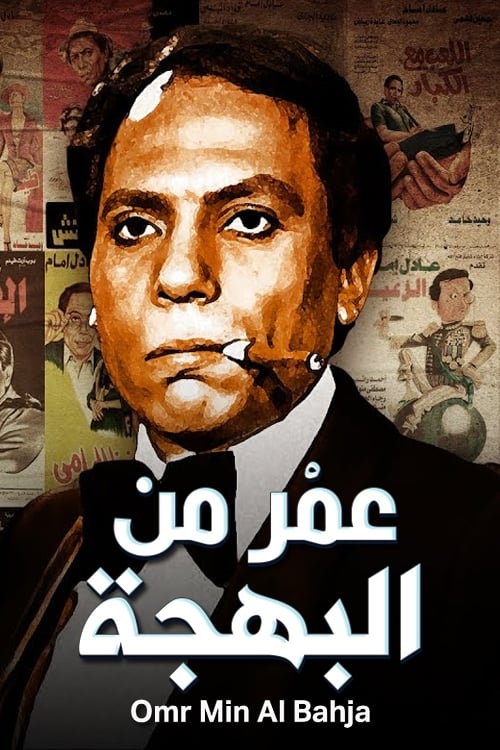
A documentary about famous actor Adel Emam, compiling a series of interviews with him and other actors talking about his career and character.
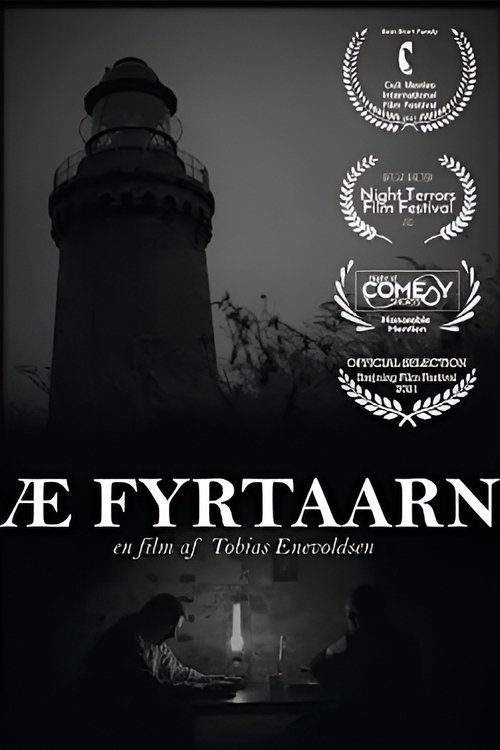
By the seashore of western Denmark, two men share a lighthouse and a bad soup.

August 1914. Europe has mobilised. The Imperial German Army has executed its Schlieffen Plan, has ploughed through Belgium, and is now deep in France. The British Expeditionary Force is seeing its first action against the Germans. Skirmishes in open countryside are common, and both sides are still learning how a modern war could and should be fought. Two soldiers, one English, one German, both with lives and lovers at home they would rather not have left, find themselves facing each other, alone. Alone, except for the French girl, Françoise…
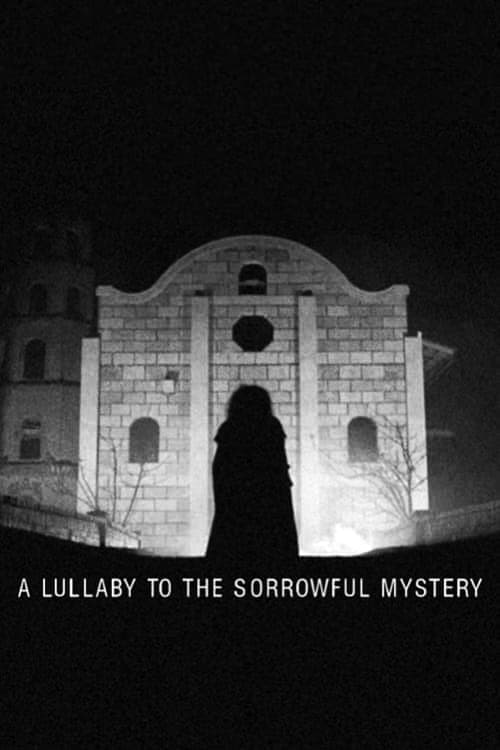
Andrés Bonifacio is celebrated as the father of the Philippines Revolution against Spanish colonial rule. This eight-hour epic examines this myth, undertaking an expedition into history through various interwoven narrative threads, held together by an exploration of the individual’s role in history.

“1618” is a film about the inquisitorial visit to Porto that encountered resistance from priests, ordinary citizens and the city authorities themselves, all accustomed for centuries to living alongside the Jews.

When the village is reportedly terrorized by a ghost of the mad woman, the superstitious great-grandfather refuses modern approach and insists to rely of witchcraft to solve the problems of the village, ensuing tragedy after tragedy.

Documentary about the life of one of the greatest composers in the history of Brazilian music. Pianist, composer and conductor, Chiquinha Gonzaga was ahead of her time and revolutionized the customs of a sexist society.

Robert Lachmann was a German-Jewish ethnomusicologist. In the 1930s, his radio show "Oriental Music" explored the musical traditions of Palestine and included regular live performances by musicians from different ethnic and religious groups. Inspired by Lachmann’s musicological studies, Palestinian artist Jumana Manna travels through Israel and the Palestinian territories of today with recordings from the programme. What do these songs sound like now when performed by Moroccan, Kurdish, or Yemenite Jews, by Samaritans, members of the urban and rural Palestinian communities, Bedouins and Coptic Christians?
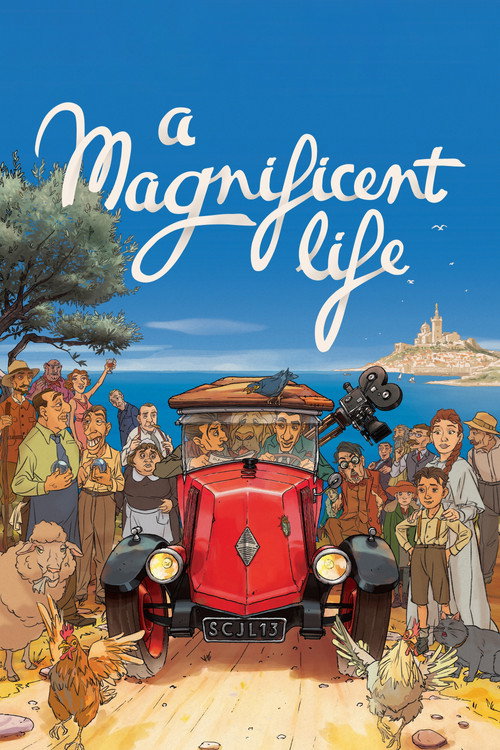
In 1955, 60-year-old Marcel Pagnol is a well-known and acclaimed playwright and filmmaker. When the editor-in-chief of ELLE magazine commissions a weekly column about Pagnol's childhood, he sees this as a great opportunity to go back to his artistic roots: writing. Realizing his memory is failing him and deeply affected by the disappointing results of his last two plays, Pagnol starts doubting his ability to pursue his work. That is until Little Marcel - the young boy he used to be - appears to him as if by magic. Together, they will explore Marcel Pagnol's incredible life and bring back to life his most cherished encounters and memories...


An indonesian biopic movie on the controversial former Jakarta governor Ahok.
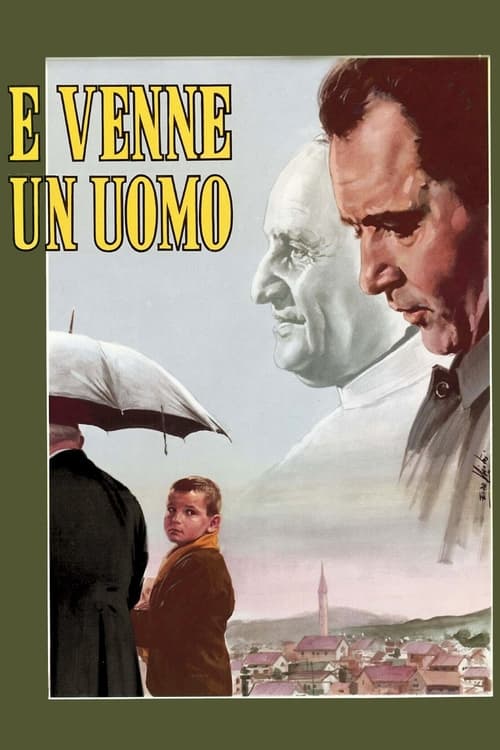
Based on the diary Pope John XXIII kept between the ages of 14 and 18, his lifelong concern for tolerance, the underprivileged, and world peace is told. Rod Steiger, in the central role, acts as "intermediary" between the Pope and the audience, interpreting John's words, thoughts and actions. Steiger visits the actual places in which John lived, recreating the conditions, environment, and forces that affected his development. Through this unusual technique, we are brought close to an extraordinary man - one who's able to win the love of many people of all faiths.
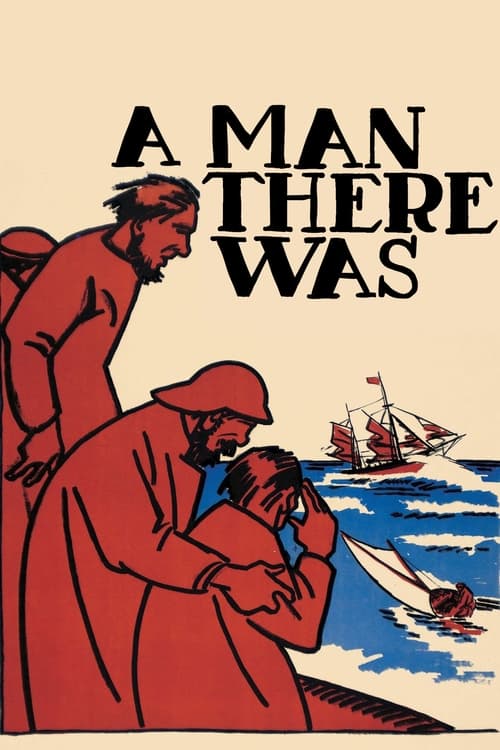
Terje Vigen, a sailor, suffers the loss of his family through the inflexibility of another man. Years later, when his enemy's family finds itself dependent on his benevolence, Terje must decide whether to avenge himself.
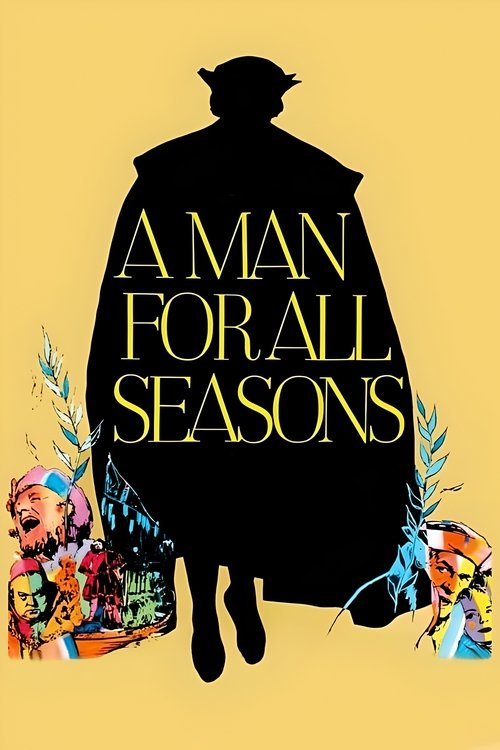
A depiction of the conflict between King Henry VIII of England and his Lord Chancellor, Sir Thomas More, who refuses to swear the Oath of Supremacy declaring Henry Supreme Head of the Church in England.
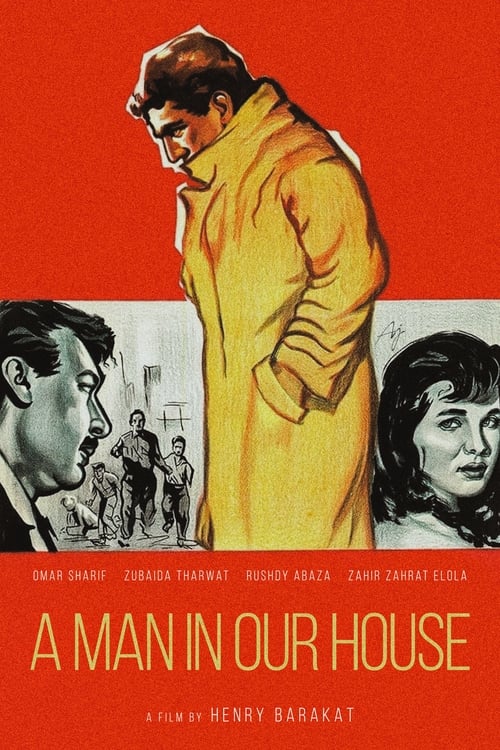
Rebel Ibrahim Hamdy assassinates a pro-colonial Prime Minister but is arrested and hides with a fellow university student, who initially refuses but eventually accepts him. Abdul Hamid Khatib meets Samia and her cousin, and Ibrahim uses the situation to hasten Samia’s marriage, which she rejects. Nawal, the youngest daughter, becomes the liaison between Ibrahim and his colleagues, helping him escape. Abdul Hamid tries to inform the political police of Ibrahim’s location, but Samia stops him. The head of the political police suspects them and punishes them to find Ibrahim. Ibrahim refuses to leave the country, returning to fight colonialism and participating in an operation.