
Movie· 2023· Released
A Dogs Day
tmdb
ComedyAdventureFamily
A dog goes on a mad adventure running away from her abusive owner! Will she make it?!
Provider ★ 0.0·0 tracking
Canonical catalog
1000 titles
A dog goes on a mad adventure running away from her abusive owner! Will she make it?!
A story of three Poles, whose lives are interconnected, will give the audience an opportunity to remember and learn from the history of the three oppressive regimes in Europe during the 20th century: stalinism, fascism and communism.
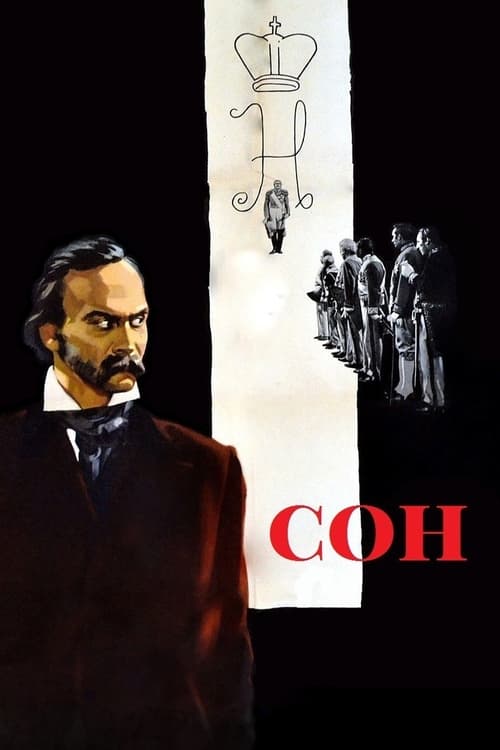
Poetic treatment of the early life of Ukrainian poet and painter Taras Shevchenko. A biopic made on the occasion of his 150th anniversary. It dwells on the first part of the Shevchenko's life leading up to the writing of his rebellious poem "A Dream" (A comedy). The film features the first appearance on the silver screen of the iconic Ukrainian actor Ivan Mykolaichuk (as Taras Shevchenko).
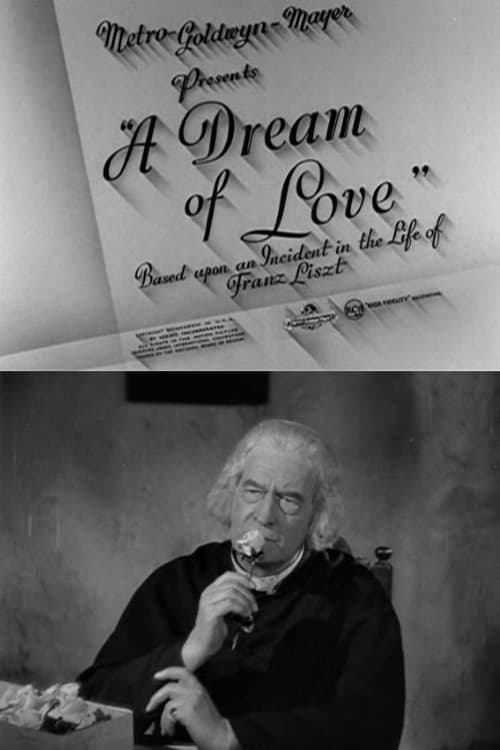
Aging composer Franz Liszt lives in an abbey. On his birthday, a priest brings him a box that was just delivered; there is no return address. In the box he finds a single flower. The flower brings back memories of his lost love of long ago, who inspired him to compose his unforgettable melodies.
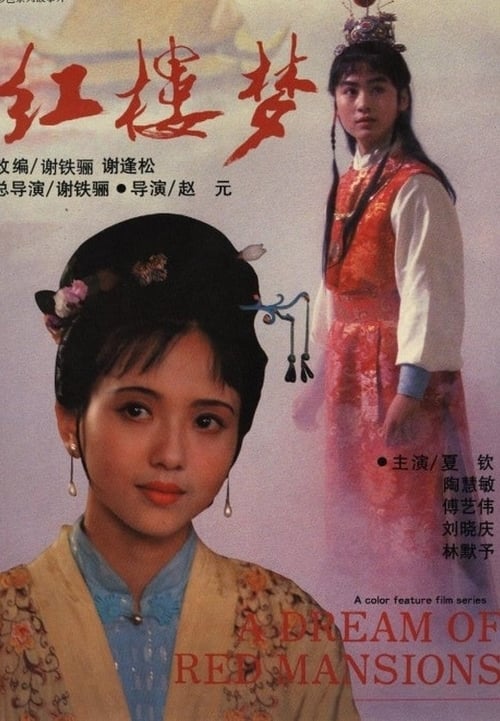
A Chinese serial feature film, released in 6 parts (8 episodes) between 1988 and 1989. The film adapts the major events and incidents of the novel of the same name, depicting the fate of Jia family.
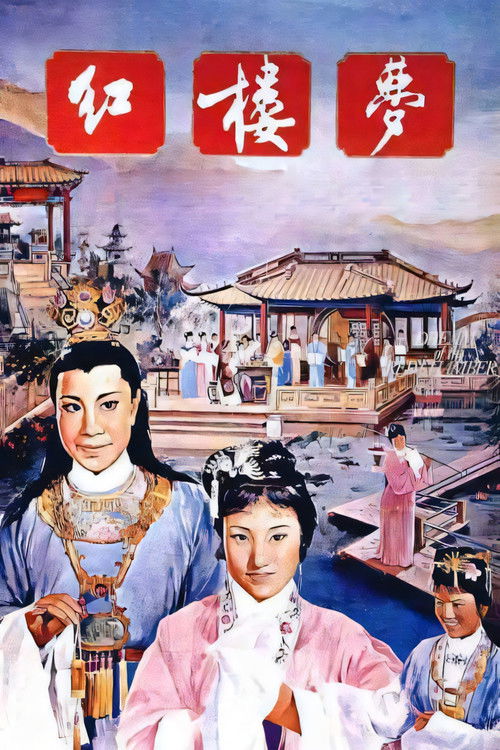
A musical adaptation of 'Dream of the Red Chamber'
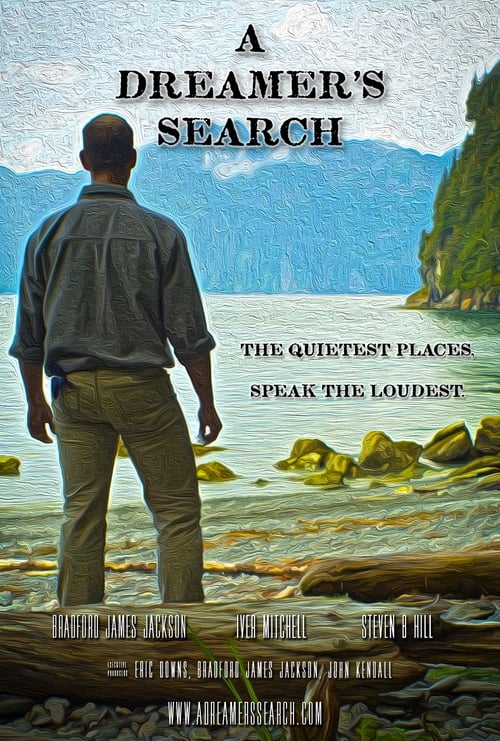
In 1918, Rockwell Kent leaves New York City with his eight-year-old son and travels to the rugged wilderness of Alaska in search of inspiration. Kent settles on a remote island, isolated and free to do his work. He befriends an old prospector whose stories energize his pursuit. As he struggles with internal turmoil, his son’s innocence and willingness to face failure inspire Kent to dig deep inside himself and begin again. Father and son’s connection blossoms as they embrace the wilderness experience together. Surrounded by the quiet magnificence of Fox Island, Kent creates the drawings and paintings that will catapult his career to national success and turn his dream into reality.
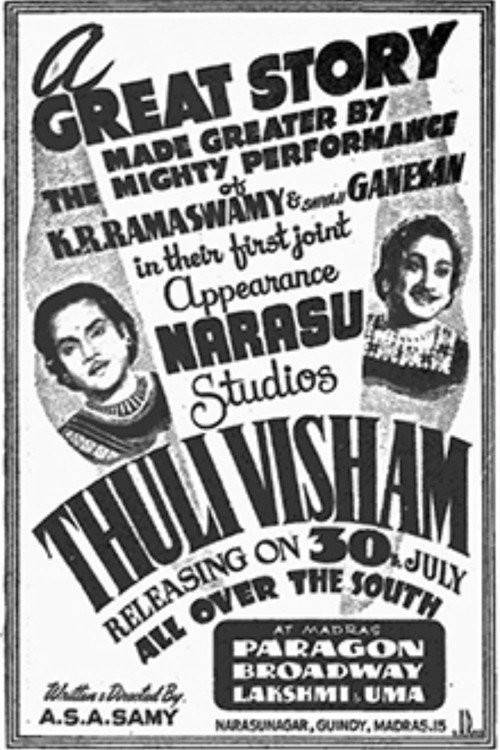
Set in a historical backdrop, the narrative revolves around political intrigue, power struggles, and royal conflicts.Prince Suryakanthan (played by Sivaji Ganesan) and Chandran (played by K.R. Ramasamy) navigate complex relationships and rivalries involving figures like Veeramarthandan (S.V. Ranga Rao).
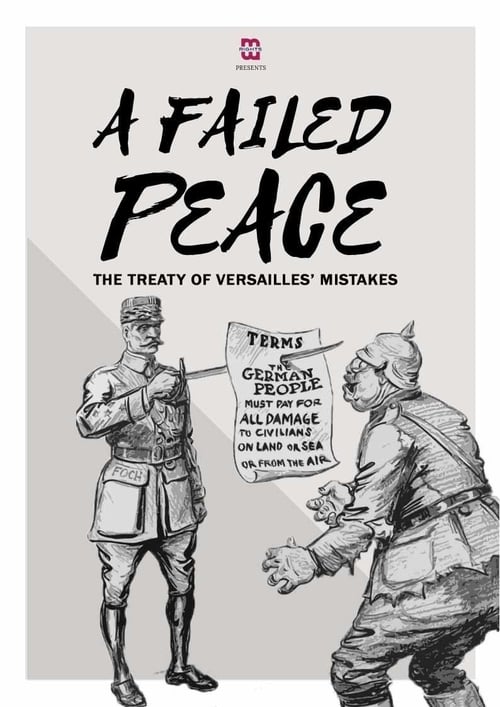
At the end of WWI, the treaty of Versailles established the conditions for peace in Europe. The aim for the victorious powers was to make Germany pay reparations, and to guarantee a future without war. Yet a decade later, the denunciation of 'Versailles' became a powerful lever for the nazis to obtain power as these reparations would mark the beginning of the humiliation of the German people, and nurture a feeling of having been bestowed a hopeless future. In the 20 years that follow the end of WWI, the issue of reparations and responsibility will effectively poison international relationship. The treaty negative impact goes well beyond WWII as the new European borders it implemented led to many conflicts during the twentieth century. This documentary shines a light on the causality between the decisions taken with the treaty of Versailles, and the ensuing events of the century.
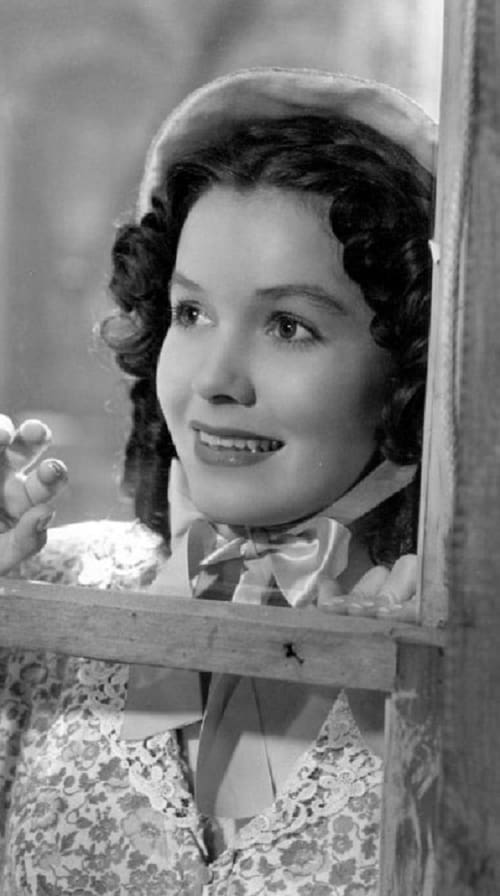
The story of Abraham Lincoln's 30-year struggle of persistence-through-failure is told to an unemployed 50 year old man.
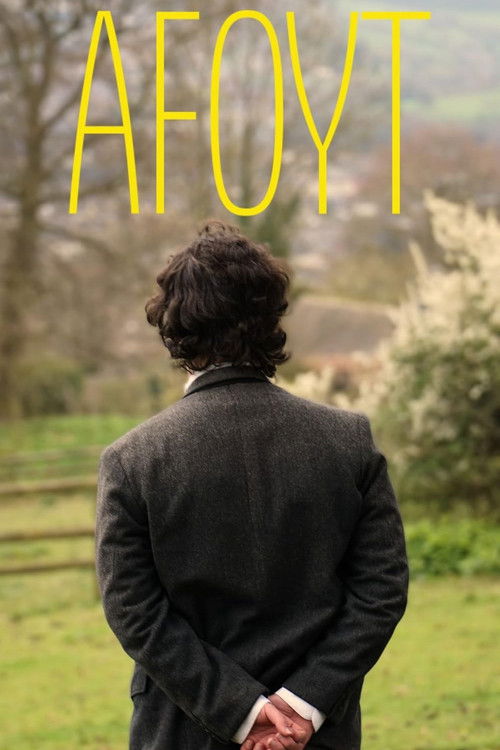
A young man recovering from an illness grows a garden with his best mates before the war tears them apart.
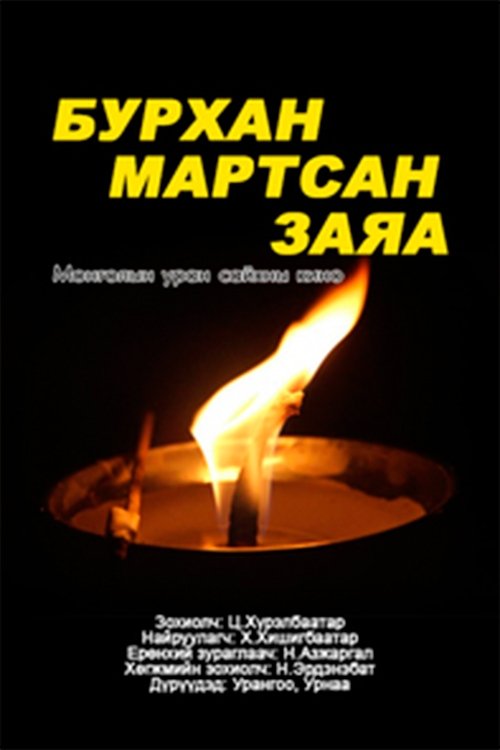
I feel sorry for not being able to see my only daughter, who was destined by heaven, go through life with a human being.
On the eve of his execution on May 7th 1916, Michael Mallin’s two-year-old son Joseph was brought to see him in Kilmainham Gaol. That night, his father wrote a letter that would change Joseph’s life forever.
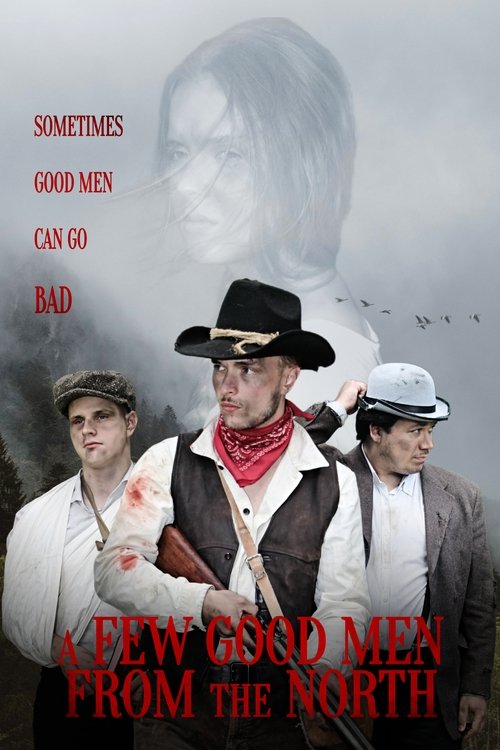
In 1897, Finnish brothers Pietari and Verner Korpi head to the harsh frontier of Minnesota in search of their missing father.

An erotic comedy based on the works of Giovanni Boccaccio, Francesco Grazzini Lasca, Agnolo Firenzuola, which humorously describes the amorous adventures of Italians of the Renaissance. Young beautiful wife cleverly fooled his old foolish men, finding ingenious ways to meet lovers.
This is the story of George Rogers Clark and his courageous frontiersmen who fought on the Kentucky and Illinois frontier during the American Revolution. To help end British-inspired Indian attacks on Kentucky settlements, these brave men defied tremendous odds to capture Ford Sackville from the British in 1779. This was the park film at George Rogers Clark National Historical Park in Vincennes, Indiana.
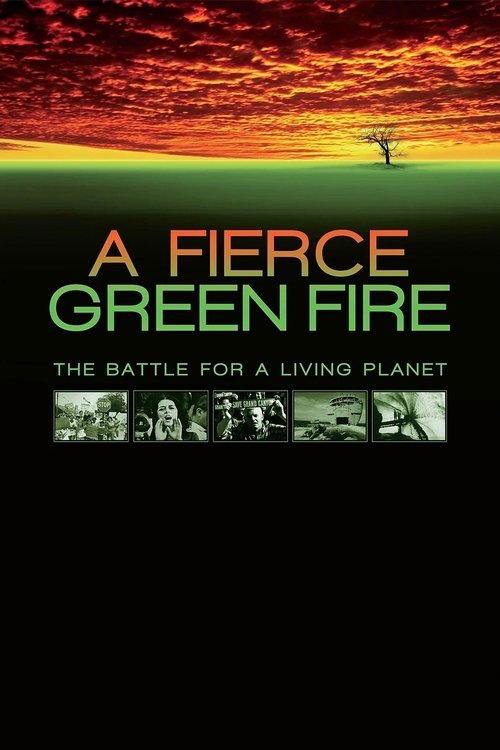
It is the largest movement the world has ever seen, it may also be the most important - in terms of what's at stake. Yet it's not east being green. Environmentalists have been reviled as much as revered, for being killjoys and Cassandras. Every battle begins as a lost cause and even the victories have to be fought for again and again. Still, environmentalism is one of the great social innovations of the twentieth century, and one of the keys to the twenty-first. It has arisen at a key juncture in history, when humans have come to rival nature as a power determining the fate of the earth.

Yael Hersonski's powerful documentary achieves a remarkable feat through its penetrating look at another film-the now-infamous Nazi-produced film about the Warsaw Ghetto. Discovered after the war, the unfinished work, with no soundtrack, quickly became a resource for historians seeking an authentic record, despite its elaborate propagandistic construction. The later discovery of a long-missing reel complicated earlier readings, showing the manipulations of camera crews in these "everyday" scenes. Well-heeled Jews attending elegant dinners and theatricals (while callously stepping over the dead bodies of compatriots) now appeared as unwilling, but complicit, actors, alternately fearful and in denial of their looming fate.

This is a film.
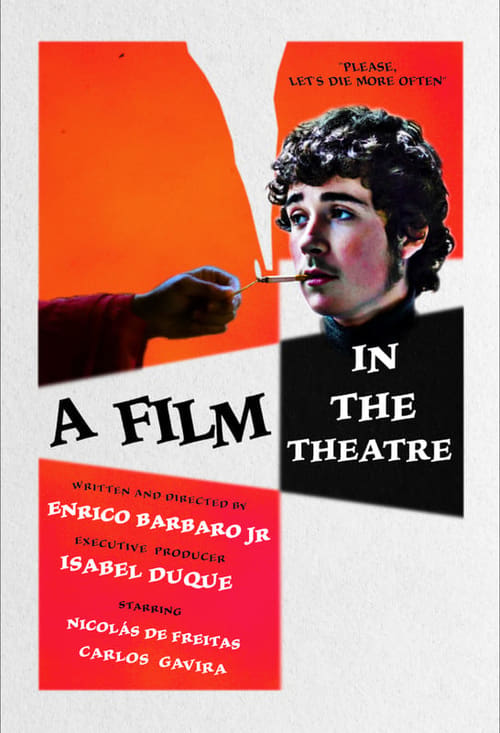
Eusebio José Fernández López Reboredo Bergamín is a teenager in the 1960s whose dream is to be a movie director, but General Francisco Franco prohibited in 1964 all types of art. A coincidental encounter with another artist, named Antonio Mínguez, will change his life.
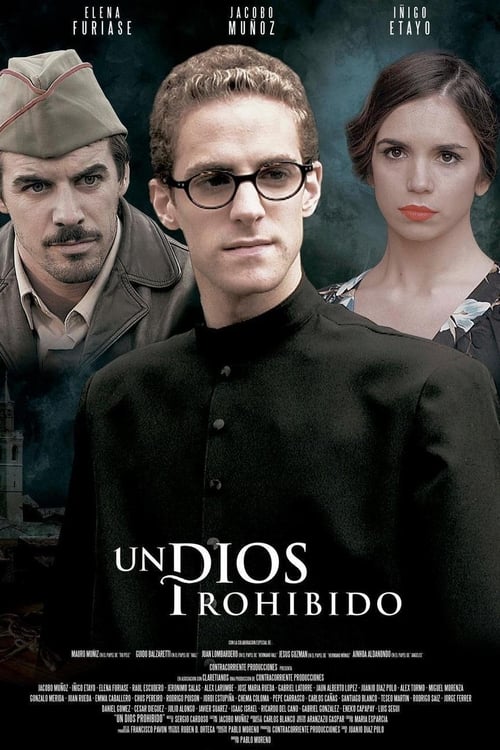
August 1936, the beginning of the Spanish Civil War. 51 members of the Claretian community of Barbastro (Huesca) are martyred, die for their faith. The film recounts the last weeks of his life, since they are held until they are finally shot. During that time, they perform various writings they talk about their situation, of his fellow captives, people who saw them. These writings have been the basic testimony used to narrate this real fact in film version.
The film highlights the history of the Crimean Tatar people—from their deportation in 1944 to their current resistance to occupation—and seeks answers about Crimea's future and the mechanisms for its return. The film features reflections on the past, present, and future of Crimea and its indigenous people, the Krymly, by Crimean Tatar leader Mustafa Dzhemilev, the head of the Mejlis, Refat Chubarov, People's Deputy Akhtem Chiygoz, actor and director Akhtem Seitablaiev, former Russian prison captive Leniy Umerov, as well as publicist Vitaliy Portnikov and People's Deputy Mykola Knyazhitsky. The film also discusses how to address the mass repression in Crimea, particularly against the Crimean Tatars, and what steps Ukraine can take now to support the Crimean Tatars and accelerate de-occupation.
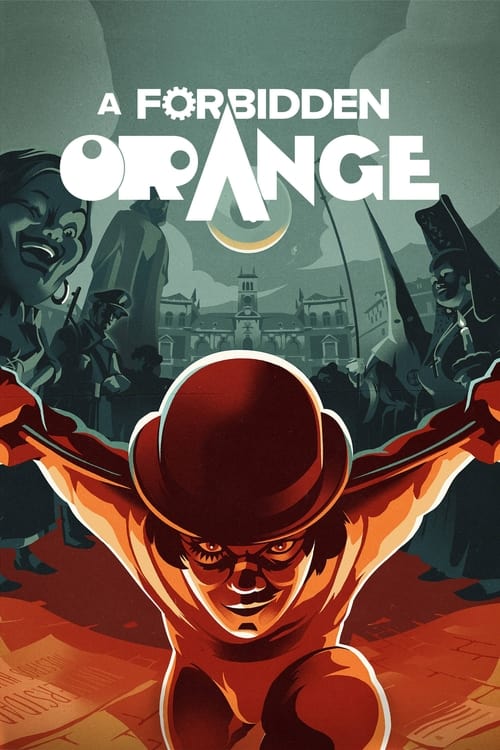
Spain, 1970s. A Clockwork Orange, a film considered by critics and audiences as one of the best works in the history of cinema, directed by Stanley Kubrick and released in 1971, was banned by the strict Franco government. However, the film was finally premiered, without going through censorship, during the 20th edition of the Seminci, the Valladolid Film Festival, on April 24, 1975. How was this possible?