1968
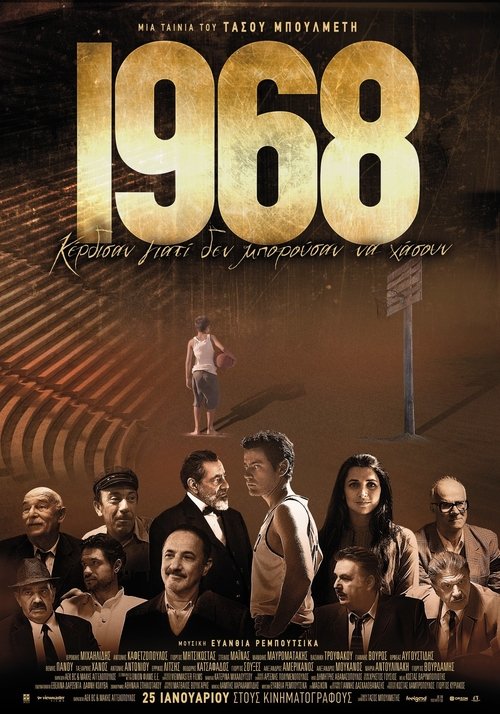
A.E.K., the well-known Greek basketball team founded in 1924 by refugees from Constantinople, after 44 years, beats SLAVIA of Prague and wins the European Cup.
Canonical catalog
1000 titles

A.E.K., the well-known Greek basketball team founded in 1924 by refugees from Constantinople, after 44 years, beats SLAVIA of Prague and wins the European Cup.

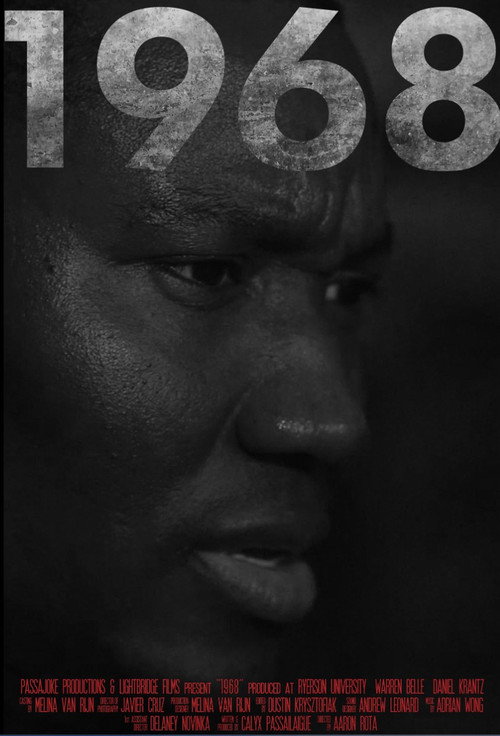
During one of the most politically unstable years in recent history, a black radical fights for racial equality while a white idealist struggles to help.

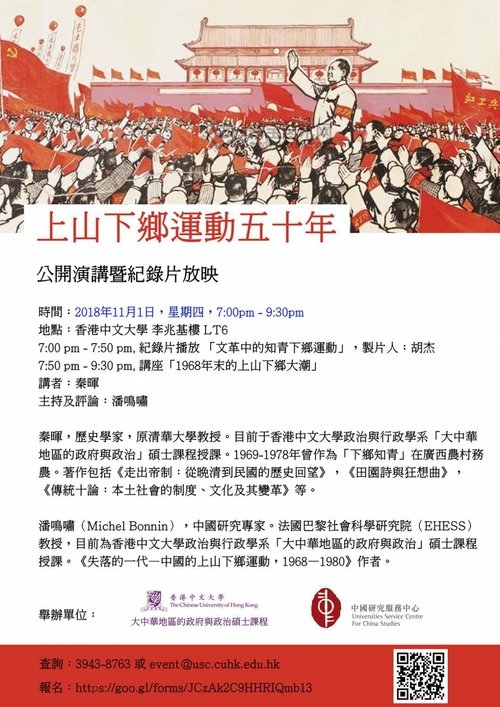
Despite the increasing number of people entering the field of documentary filmmaking, historical subjects are less popular due to limited materials and the difficulty in handling them. Hu Jie has chosen to stay in this field and work hard. "I know that shooting these historical subjects is very dangerous, so how can you ask others to do it? It can only be their choice after they have seen your work." Since 2014, due to health reasons, Hu Jie has not been actively making documentaries. This year, in response to an invitation from the Lung Ying-tai Cultural Foundation, he still provided the film "A Sidelight of the 1968 Up to the Mountains and Down to the Countryside Movement." Over the past three years, he has primarily engaged in printmaking, producing about 70 to 80 pieces, in addition to many small print bookplates.

Spring of 1968, Warsaw. The fight for influence between top level Communist officials is the background to a developing love story between a young couple who are engaged in student protests. Both the young couple and their parents will pay a high price for their decisions, and their Jewish roots, which up until now seemed to have no meaning, but which will soon determine their fates.

The world's first cosmonaut Yuri Gagarin dreams of flying to the moon. Just like the 12th American astronaut Neil Armstrong. In 1968, the space race between the USSR and the United States reaches its climax, and it has to pay for it at the cost of human life.

The Tet Offensive during the Vietnam War, the Civil Rights Movement, the May events in France, the assassinations of Martin Luther King and Robert F. Kennedy, the Prague Spring, the Chicago riots, the Mexico Summer Olympics, the presidential election of Richard Nixon, the Apollo 8 space mission, the hippies and the Yippies, Bullitt and the living dead. Once upon a time the year 1968.

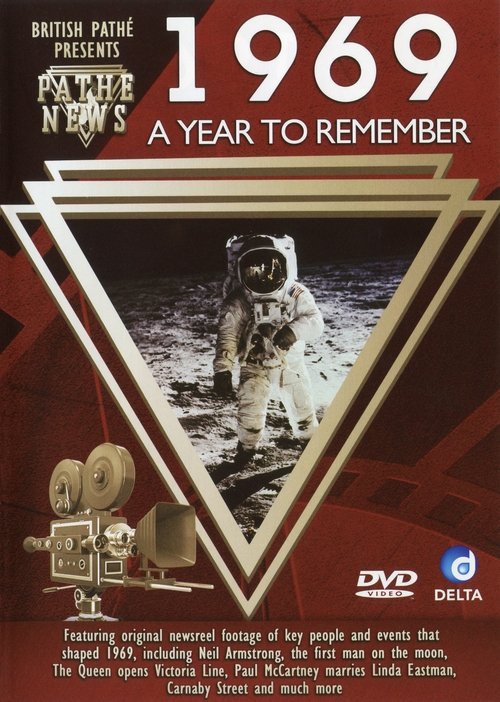
Featuring original newsreel footage of key people and events that shaped 1969, including Neil Armstrong, the first man on the moon, the Queen opens Victoria Line, Paul McCartney marries Linda Eastman, Carnaby Street and much more.

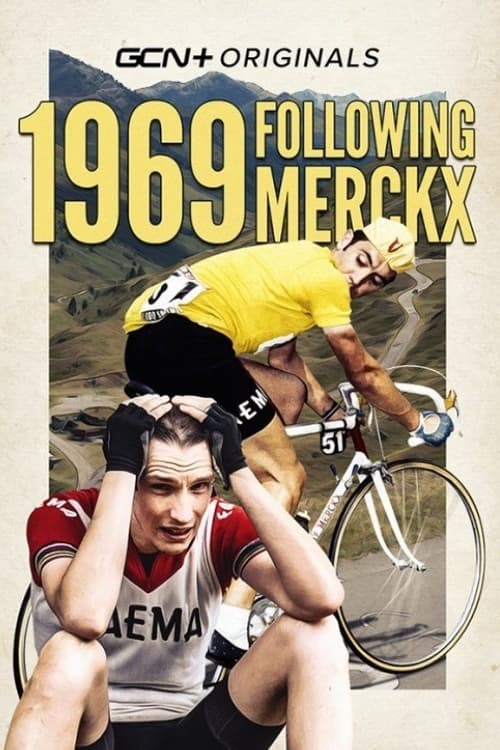
1969. July the 15th. Stage 17 of the Tour de France. A brutal stage from Luchon to Mourenx covering four of the toughest mountains in the Pyrenees. On this fateful day, Eddy Merckx catapulted himself into the history books with one of the greatest solo breakaways the sport has ever seen. Fast forward over half a century, and GCN’s Simon Richardson is in the Pyrenees to pay tribute to The Cannibal by recreating his ride. To make the 220km epic even more challenging, Si will do it aboard his 1969 spec Faema team bike and wearing their iconic red and white jersey. Eddy Merckx made this ride look easy, but will Si even make it to the finish line?

Poland, 1970. When popular protests erupt in the streets due to rising prices, the communist government organizes a crisis team. Soon after, the police use their truncheons and then their firearms. The story of a rebellion from the point of view of the oppressors.

Forty years before WikiLeaks and the NSA scandal, there was Media, Pennsylvania. In 1971, eight activists plotted an intricate break-in to the local FBI offices to leak stolen documents and expose the illegal surveillance of ordinary Americans in an era of anti-war activism. In this riveting heist story, the perpetrators reveal themselves for the first time, reflecting on their actions and raising broader questions surrounding security leaks in activism today.

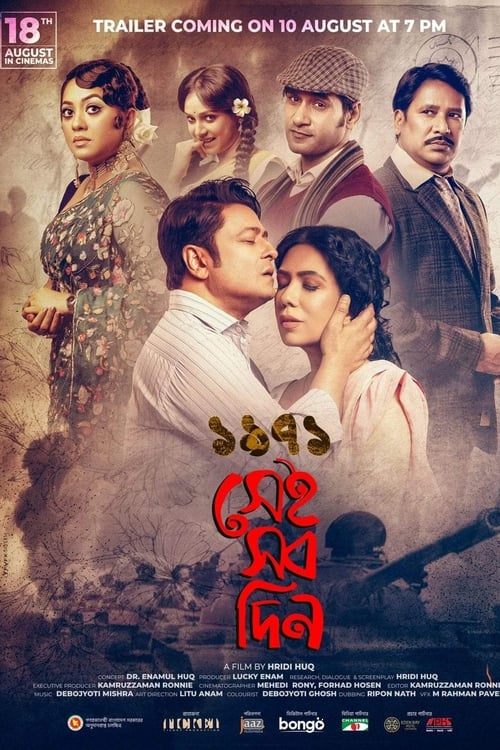
The film revolves around a family's experiences during 1971, providing a poignant portrayal of the era.

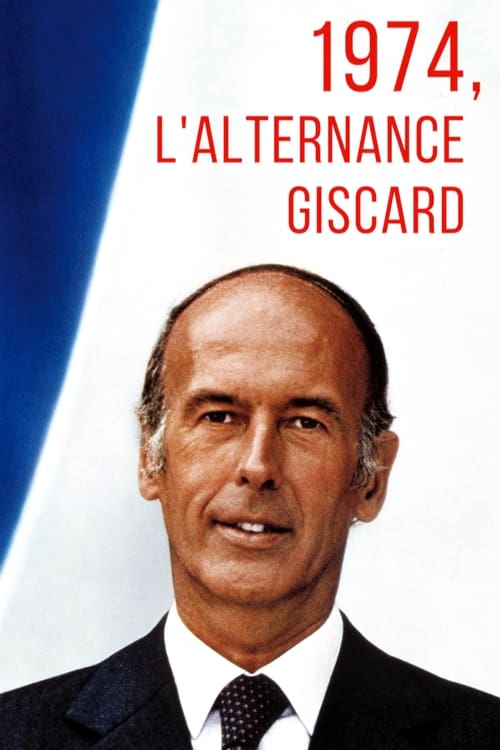
In May 1974, Valéry Giscard d'Estaing became the third President of the Fifth Republic. An alternation of power that did not speak its name opened the doors of power to a reforming president. Abortion, divorce by mutual consent, lowering the age of majority to 18 - in less than two years, the youngest President of the Republic - at the time - carried out reforms with a vengeance, without a united majority in Parliament, before failing in the economic sphere and losing the battle against unemployment. At the age of 90, the former President of the Republic has agreed to look back on these years and gives us a valuable account of his time in power.

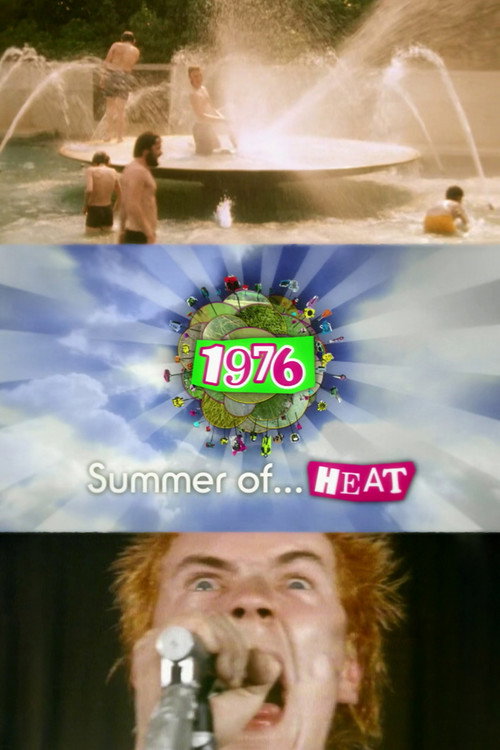
Documentary looking at the heatwave of 1976. The longest driest spell on record led to drought, water rationing and forest fires. As the country sweltered, tensions rose.

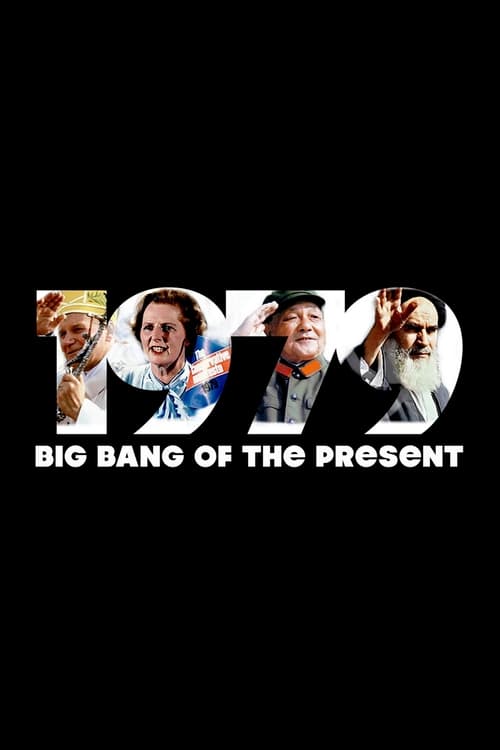
Deng Xiaoping's economic and political opening in China. Margaret Thatcher's extreme economic measures in the United Kingdom. Ayatollah Khomeini's Islamic Revolution in Iran. Pope John Paul II's visit to Poland. Saddam Hussein's rise to power in Iraq. The Soviet invasion of Afghanistan. The nuclear accident at the Harrisburg power plant and the birth of ecological activism. The year 1979, the beginning of the future.
The New Zealand Government's decision to proceed with a controversial Springbok rugby tour in 1981 tore open cultural and political rifts within Kiwi society. New Zealanders on both sides of the divide give firsthand accounts of the bloody aftermath of matches in Gisborne, Hamilton and Auckland. The protests enraged rugby fans, and for police officers like Tyrone Laurenson, the events of 1981 were a matter of personal survival. For Māori protestors, the tour provoked serious questions about racism at home in Aotearoa.

On the eve of an invasion in 1982 Lebanon, an 11-year-old boy at a mountain school is determined to express his feelings to a classmate. As tension builds across the country, the day takes an unexpected turn, reflecting the fragile line between innocence and conflict. Through a child's eyes, the film explores the impact of war, the power of love, and the resilience of the human spirit.

When a MIC(Methyl isocyanate) plant operator Bhaskar yadav working was phosgene gas operator room suddenly take a emergency call from main plant and after that everything upside down for UCIL(union carbide india limited)factory and bhopal's people and considering majors accidents.

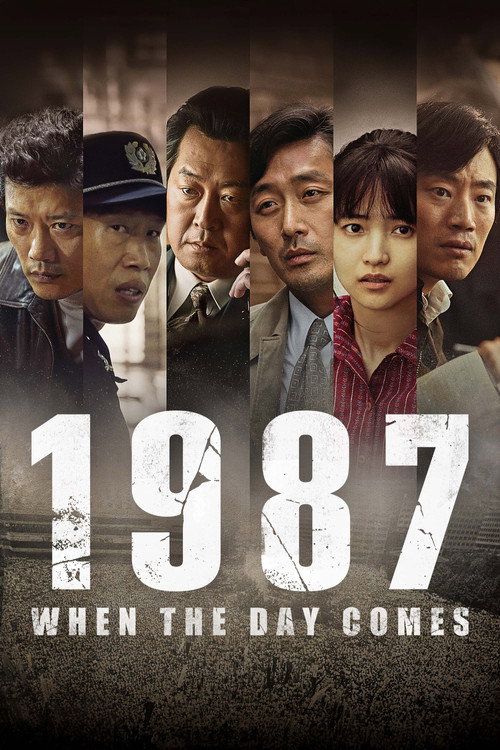
In 1987 Korea under an oppressive military regime, the unlawful interrogation and death of a college student ignite ordinary citizens to fight for the truth and bring about justice.

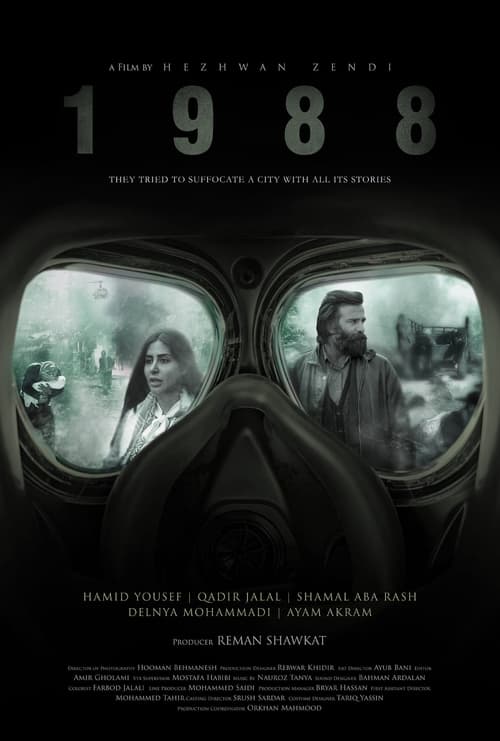
In the winter of 1988, in the depths of the Iraq/Iran war, the border town of Halabja was attacked by chemical weapons with all its people and their different stories.

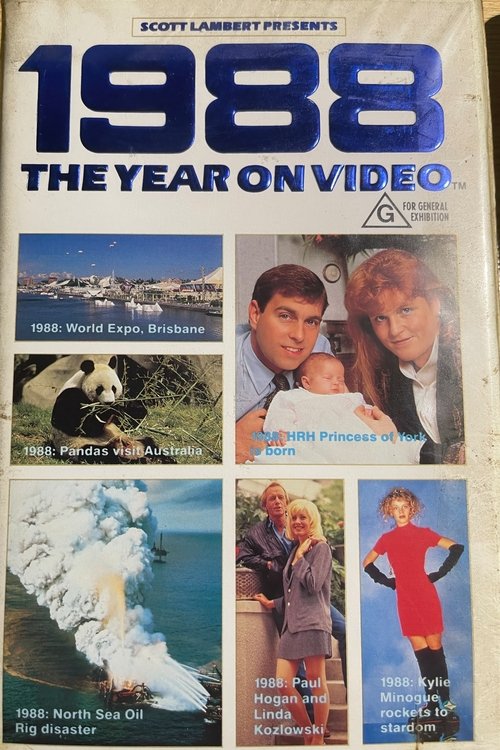
1988 will long be remembered as the year of celebrations - Australia turned 200, we won gold at the Seoul Olympics, 'Fergie' gave birth to a beautiful baby girl, and the World Expo in Brisbane exceeded all expectations. But for every moment of great joy, there was a moment of tragedy and despair. Floods across Australia left thousands homeless; the world's worst air show disaster in Germany claimed the lives of 47 people; and in May we lost Ben Lexcen the genius behind the winged keel. These and countless other events that captured our imaginations, together with the people who touched our lives, deserve to be remebered. With 1988, The Year on Video they will live forever

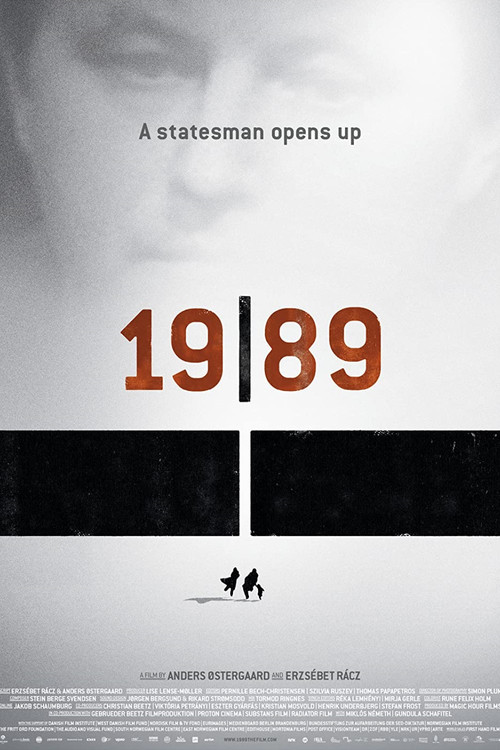
Anders Østergaard’s film is an investigative look at the year the Berlin Wall fell, documenting the events that took place in Hungary as a prelude to the dramatic changes in November 1989. The director recreates the events and leads the audiences deep into the politicians’ secret meeting rooms by using a mix of interviews, archive material and reconstructed scenes and dialogues.

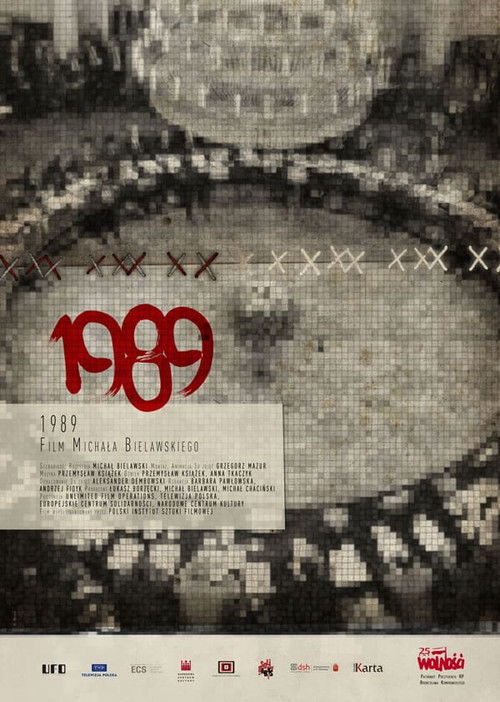
Such changes took place in Poland over a period of several months - from the end of 1988 to the end of January 1990? Michał Bielawski, through the prism of official and underground archives, shows the then state of mind of Poles, their fears, hopes and reflections. Film materials from the 1988-1990 period are in harmony with the photographs and diaries written by Poles at that time, as well as with the messages about the changes taking place. We observe the most important political, social and moral events of that period, confronted or reinforced by the comments of their active observers: ordinary people, politicians of the government camp and oppositionists.

The animated film tells the semi-documentary story of the "Peaceful Revolution" in East Germany, which reached its decisive turning point with the Monday demonstration on October 9, 1989, in Leipzig. It traces the path to the success of the resistance, the fall of the Berlin Wall on November 9, 1989, and finally, the reunification of Germany in October 1990.

During the so-called normalization period, Teplice, once a beautiful spa town nicknamed "Little Paris," is devastated, much like the entire northwestern industrial border region. It is often shrouded in dense smog, making visibility limited to just a few meters. Teplice is also a stronghold of a specific punk subculture and a city of exceptional alternative culture. The story of Pavel and Renata primarily unfolds in Teplice. They aspire to live freely, in accordance with their ideals. However, their lives are consistently disrupted by the repressive communist regime.