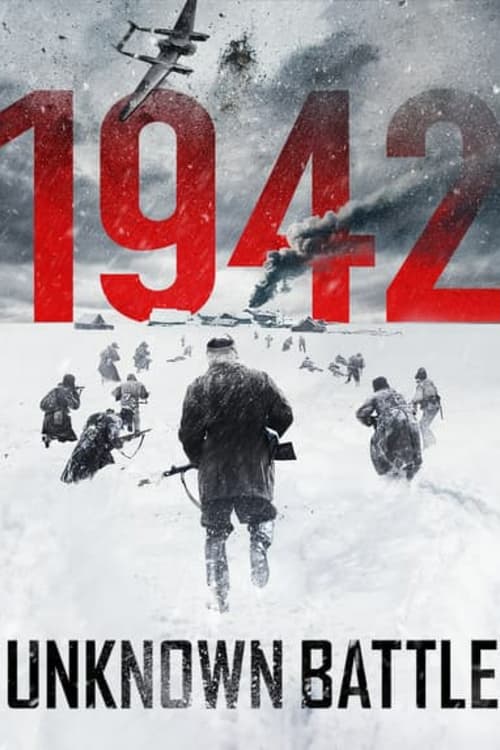
Movie· 2019· Released
1942: Unknown Battle
tmdb
WarDramaHistory
WWII 1942: Rzhev, USSR. Stuck in a crucial strategical position, a small company from the Red Army does whatever it takes to fend off the Nazis.
Provider ★ 7.7·0 tracking
Canonical catalog
1000 titles
WWII 1942: Rzhev, USSR. Stuck in a crucial strategical position, a small company from the Red Army does whatever it takes to fend off the Nazis.
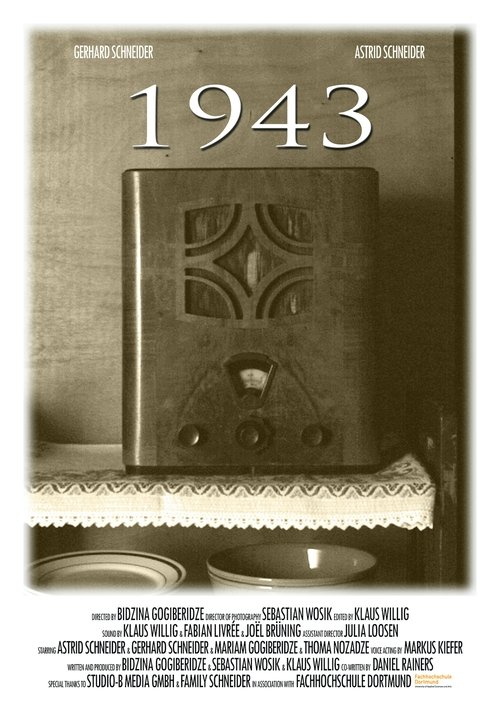
A village in the "Bergisches Land" in the summer of 1943. Anna is worried about her son who is fighting on the Eastern Front. While her husband Werner wants to believe the propaganda of the Nazis, Anna secretly listened to the radio broadcasts of the Allies to figure out the true circumstances of the war. When Werner finds out, a world seems to collapse for him. But that's not the only secret Anna keeps hidden from Werner.
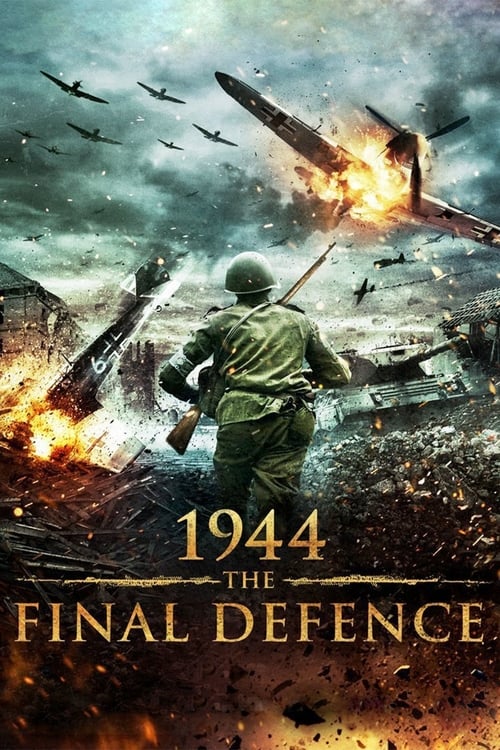
The Soviet army breaks through the Finnish defences on the Karelian Isthmus in June 1944, advancing with overwhelming force. Somehow, the Finnish troops must find the strength to fight back, with all odds against them. The Battle of Tali-Ihantala was the largest battle ever fought in the history of the Nordic countries. This film depicts the true events through five separate stories.
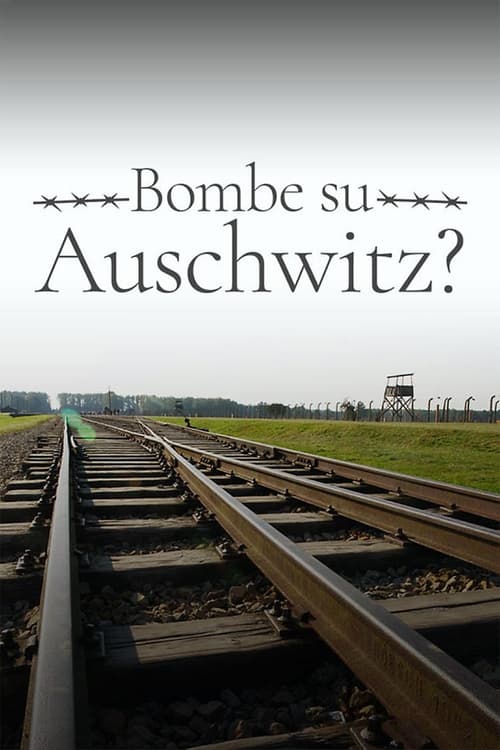
In 1944, two prisoners miraculously escaped from Auschwitz. They told the world of the horror of the Holocaust and raised one of the greatest moral questions of the 20th century.
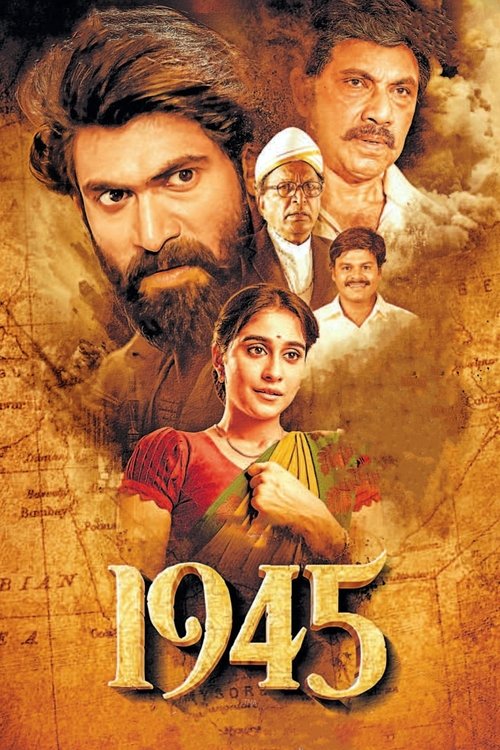
Set in Burma in the year 1945, Netaji Subhash Chandra Bose plans to launch the INA to fight the British. This is also the time when Adi comes back to Burma to take care of his family business. Upon his arrival, he gets engaged to a British Tasildar’s daughter. Just as he is set to get married, the atrocities of the British keep growing and Adi is forced to fight the British.
The war of 1870/71 with the subsequent annexation of Alsace and parts of Lorraine, the First and Second World Wars and the German occupation of France testify to the difficult relationship between the French and the Germans.

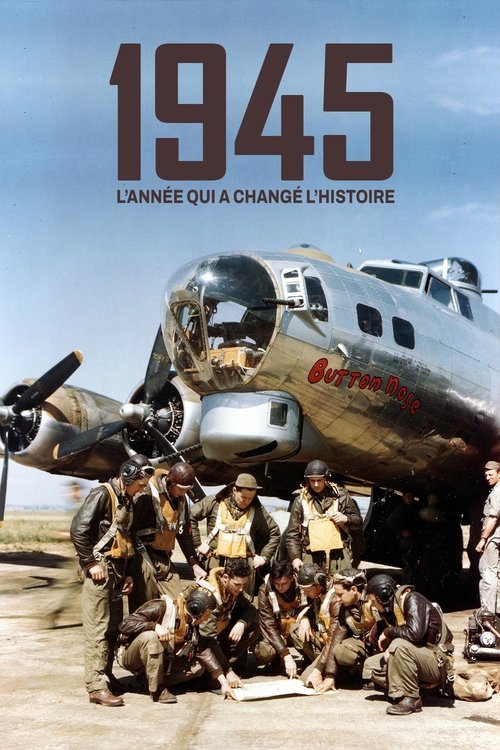
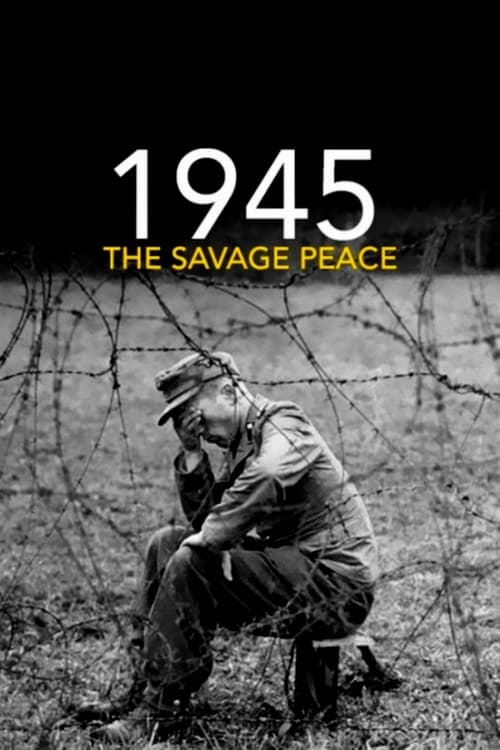
How, in 1945, after the end of World War II and the fall of the Nazi regime, the defeated were atrociously mistreated, especially those ethnic Germans who had lived peacefully for centuries in Germany's neighboring countries, such as Czechoslovakia and Poland. A heartbreaking story of revenge against innocent civilians, the story of acts as cruel as the Nazi occupation during the war years.
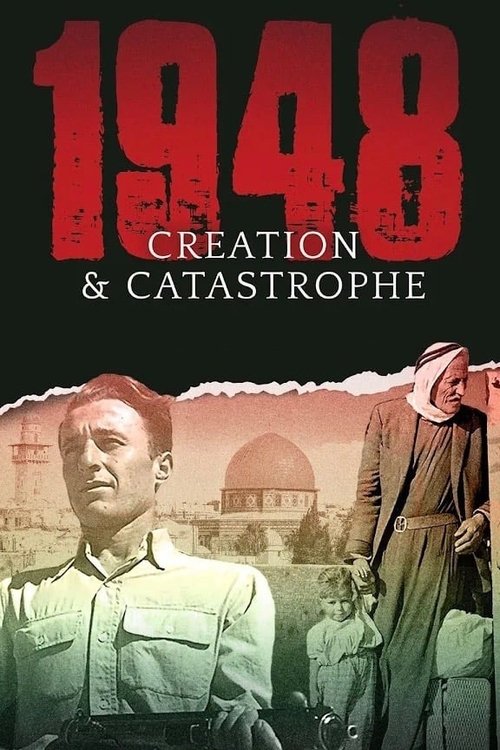
The shocking story of the establishment of the state of Israel told from the perspective of those who lived through the end of the British Mandate for Palestine in 1948.

Thousands flock to Austurvöllur, where the future of Iceland's independence hangs in the balance. Emotions run high and firm beliefs simmer beneath the surface. When opposing ideologies collide outside the Parliament building, chaos erupts into violent clashes. This is the story of the riots of March 30, 1949.
The 1949 deportations were one of the most tragic aspects of contemporary Latvian history. 43,000 people were deported to Siberia for life, with 10,000 infants and children, elderly people, and even people raised from their deathbed among them. 4,941 persons perished. Every fourth deportee was a child. Every sixth deportee was 60 or older.

Boxing was an iconic sport discipline at the time of Poland’s first post-war world championship in boxing. In ruined Warsaw, a legendary coach, Feliks Stamm, must rebuild the Polish boxing squad to face the most powerful team in the world – that of the USSR.
When the Hungarian Revolution against the Soviets collapses in 1956, two young revolutionaries have to make an impossible decision.

Four young Malaysians, Salmi, Razak, Ani and Angee have been assigned to do a picture book of ‘1957’. While two of them grudgingly carry out the request made by the publisher, Zahari, one of them takes on the role enthusiastically. Along the way, they find themselves immersed in the characters, emotional moments, identifying with and finding meaning in the struggle of ‘1957’. They weave the story of independence by transporting themselves back to the past. Ordinary Malaysians who fell in love, and found their love for the country override their personal emotions. The present characters find new meaning to ‘Merdeka’

On October 4, 2018, France celebrated the 60th anniversary of the Fifth Republic. It is a republic born in the throes of the Algerian War and one which—from the day it was founded by General de Gaulle until the presidency of a very Jupiterian Emmanuel Macron—has been assailed as a “Republican monarchy” by partisans of a more assertive parliamentarian state. By revisiting the struggle of those who dared oppose the new regime — only to suffer a crushing defeat on September 28, 1958, when they were barely able to garner 20% of the vote against the constitutional text — this film shines a powerful new light on the origins of the Fifth Republic and its consequences for the next 60 years. It is a constitutional debate that planted the seeds for a complete upheaval of the French political landscape, on the left in particular, and set the country in motion toward what would be called the Union of the Left.
In 1961, father and son travel to Porto Alegre. Their severance leads both to unknown realities.
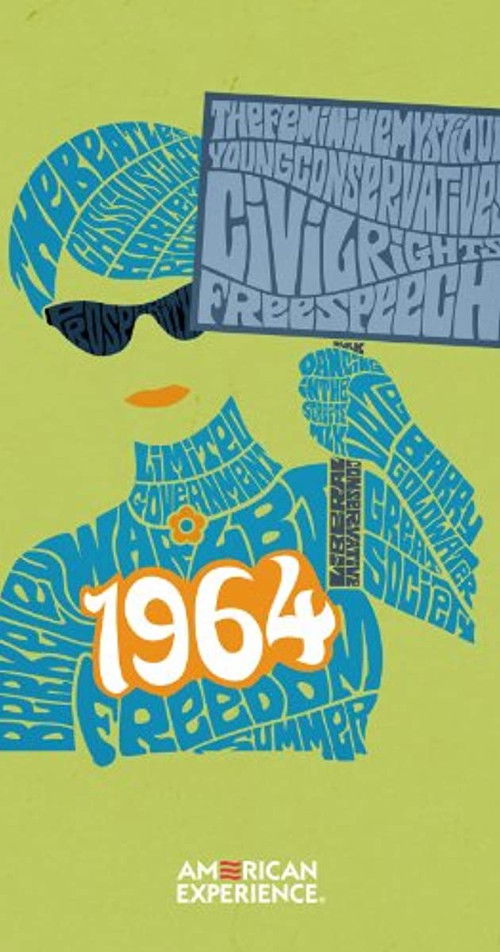
1964 was the year the Beatles came to America, Cassius Clay became Muhammad Ali, and three civil rights workers were murdered in Mississippi. It was the year when Berkeley students rose up in protest, African Americans fought back against injustice in Harlem, and Barry Goldwater’s conservative revolution took over the Republican Party. In myriad ways, 1964 was the year when Americans faced choices: between the liberalism of Lyndon Johnson or Barry Goldwater’s grassroots conservatism, between support for the civil rights movement or opposition to it, between an embrace of the emerging counterculture or a defense of traditional values.
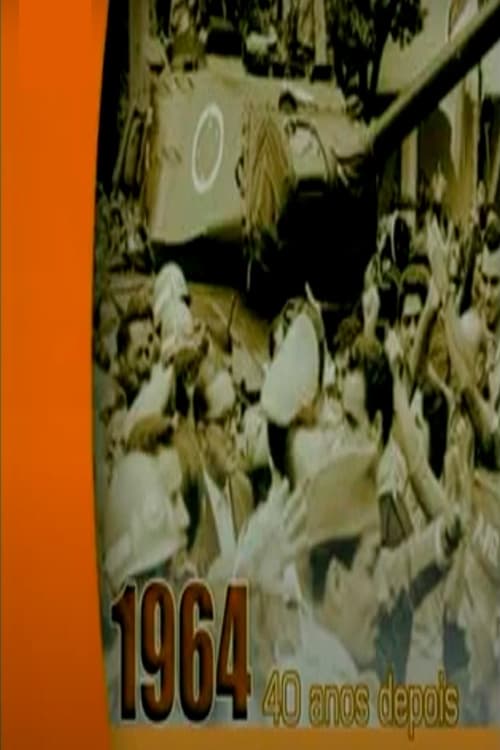
Documentary that shows the events that culminated in the deposition of President João Goulart, on March 31, 1964, and the implementation of the military dictatorship in Brazil. Around 40 characters reveal behind the scenes and comment in detail on this important moment in Brazilian political history.