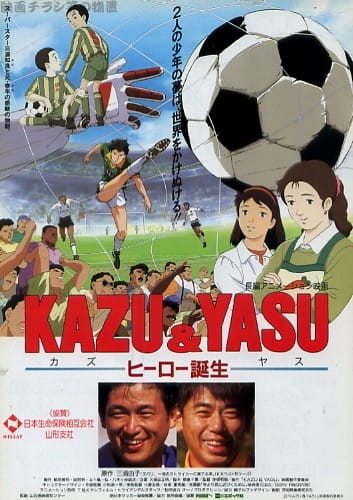
movie· 1995· Finished Airing
Kazu & Yasu Hero Tanjou
mal
DramaSportsTeam Sports
Based on the real life events. Biography animation depicting the football careers of Kazuyoshi Miura and his elder brother Yasutoshi.
Provider ★ 5.8·0 tracking
Canonical catalog
3172 titles
Based on the real life events. Biography animation depicting the football careers of Kazuyoshi Miura and his elder brother Yasutoshi.
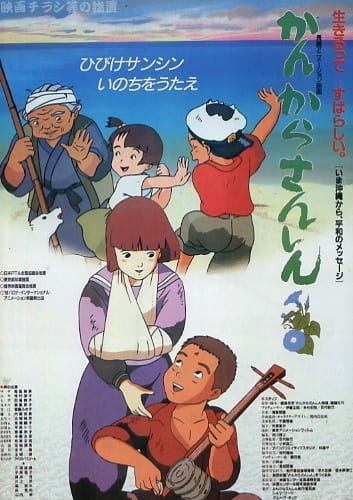
A film about the Battle of Okinawa during the last days of World War II. During the World War II island hopping campaign there was a fierce battle on Okinawa that devastated the population and ravaged the land and left a mark on the populace of the Okinawan people forever. After the war Okinawa was under the control of the United Stated Military. Without any goods and extreme scarcity of Natural resources the Okinawans were in a desperate day to day survival for the basic needs of life. The Okinawans however, despite their dire situation used song and dance to lighten their spirit and make the best of the situation. But with the loss of almost everything of value on island due to constant shelling bombing and fighting between the Japanese and American all the regular sanshin (an Okinawan musical instrument and precursor of the Japanese shamisen) had become very scarce and hard to find. The American were supplying the Okinawans with powdered milk among other items to help keep starvation low. And from those cans of food they would find a way to bring music back to the people again. (Source: AniDB)
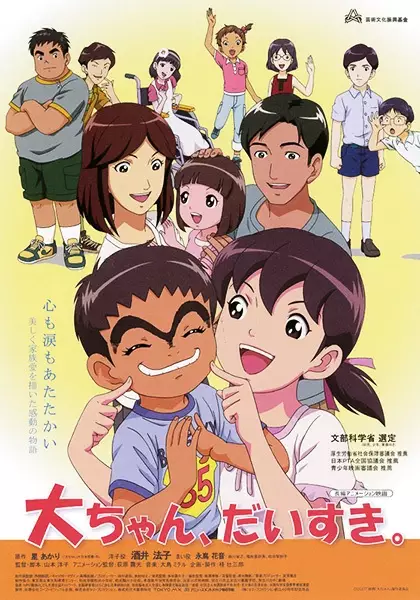
Main character in this film, Mai, has a handicapped brother, who is totally deaf, called Dai-Chan. He is like a younger brother for Mai yet he is actually her older brother because Dai-Chan always asks Mai to hold him up with smiling all over. One day, an elementary school Mai goes to and a handicapped school Dai-Chan goes to start to communicate each other. And then, Mai's class mates started to make fun of Mai and draw a funny portrait of Dai-Chan on black board in the class. Mai gets shocked and hurt at that mischief. And moreover, their mother gets sickness at the same time. That's why Dai-Chan should enter in an orphanage for handicapped children; however, Mai really wants to take care of him by herself, so she tries to stop it. This story is written about a love of family, close bond, and relationship between human and human. We definitely have a common warm heart and a moment we have to use it with honest feeling. This film could remind us some important things we should never forget about our life. (Source: AniDB)
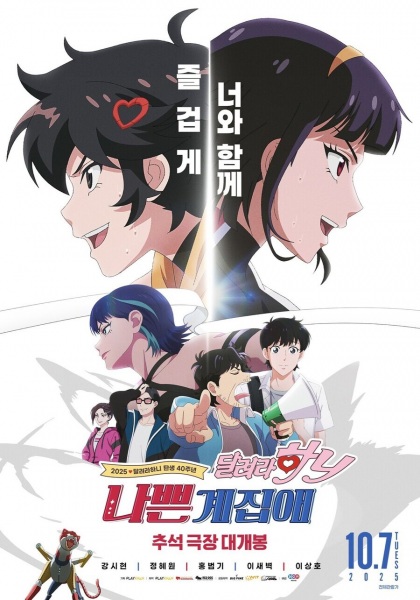
Continuation in honor of the 35th anniversary of the original series.
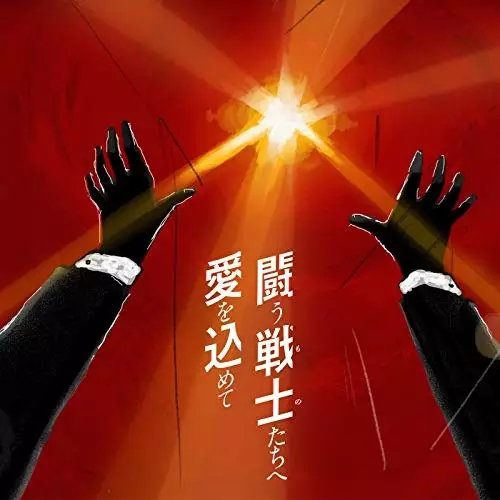
Music video directed by Sou Ootsuki for the single Tatakau Mono-tachi e Ai wo Komete by the Japanese band Southern All Stars. It was later included in their two-disc studio album "Umi no Oh, Yeah!!"

A BD/DVD special of Ginga Tetsudou no Yoru: Fantasy Railroad in the Stars. It contains new animation and further explains star constellations.

This special focuses on Duanmu Rong. It tells a story happened when she was an apprentice doctor.
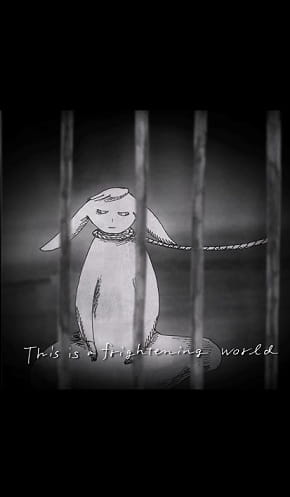
A music video for Migimimi sleep tight's song "Escape from Tsuki no Uragawa Zoo."
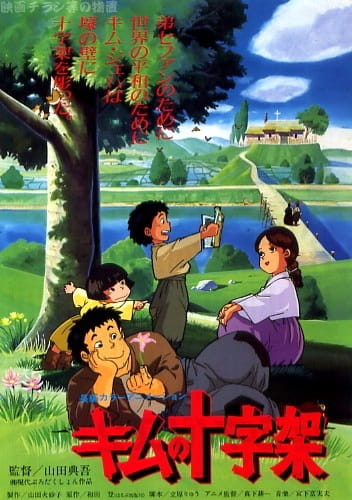
Based on the novel by Noboru Wada.
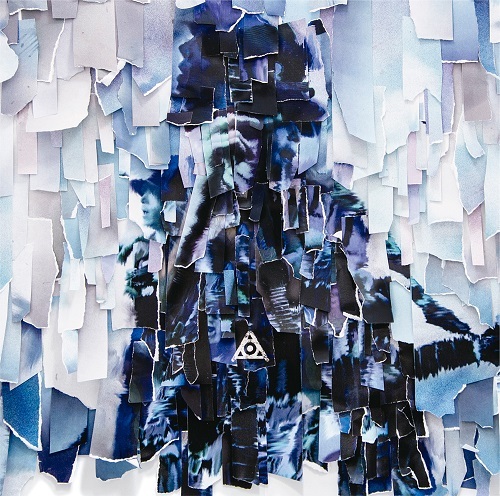
Music video directed by Kenji Kawasaki for the title track Anta e by Japanese rock band amazarashi in their eighth mini-album.

Music video for the song everlasting snow by Aimer that was on her twelfth single. The video was directed by Gaku Kinoshita.

Megumi no Daigo television commercial for the Shounen Sunday magazine.
A music video for the song "Bungaku Shounen no Yuuutsu" by Lyu:Lyu.
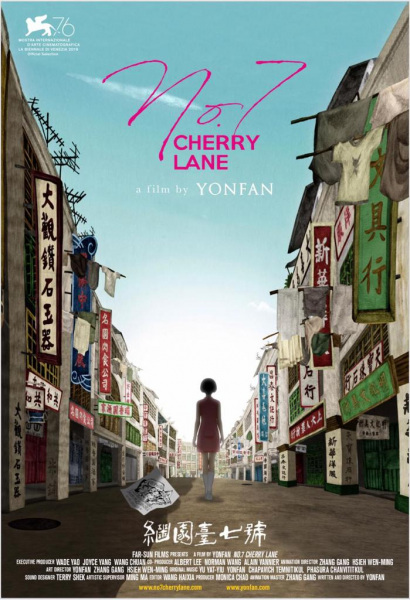
Ziming, a University undergraduate, is entangled between his amorous feelings for a self-exiled mother Mrs Yu from Taiwan and her beautiful daughter Meiling, in the era coincides with Hong Kong's turbulent times of 1967. (Source: IMDB)
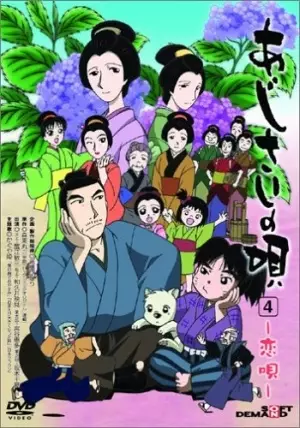
This is a heartwarming story about a family during the Edo era. The main character, Kuritaro, lives with his father and a stray dog. Despite his mother's death, he continues to live a cheerful life. (Source: AnimeNfo)

A promotional video that was released on Twitter in commemoration of the announcement of the remake of the BL doujinshi Hana no Akuta: Re;bloom.
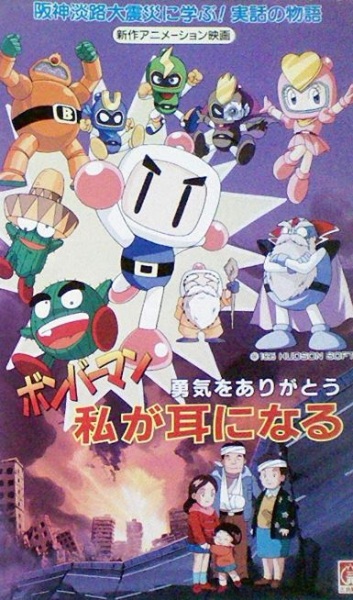
The elementary school student Rieko lives with her parents who are deaf and mute, and her younger sister. Rieko wishes to draw cartoons and comics that make people happy, and doodles comics of Bomberman and friends in her notebooks. An earthquake strikes during the night and ravages the city, leaving their neighbourhood a shambles. They travel to a shelter, but their parents' inability to hear and speak causes misunderstandings and conflict among the workers; Rieko helps resolve the situation while also keeping an eye on her younger sister. With support from volunteer worker Kyoko, an older girl from Tokyo, the community within the shelter begin to grow and understand one another. Rieko helps keep the younger ones amused with her drawings of Bomberman characters, including a comic of the heroes and villains putting their differences aside to help each other when the battle arena comes down on top of them. The film ends with a short public safety video from the Bomberman gang, offering pointers on how to safeguard against damage in your house and how to stay safe if you need to evacuate. Despite the prominent branding on the marketing materials, the Bomberman content is shockingly minimal. Rieko creates comic strips of Bomberman and friends to entertain her younger sister and children at the shelter, leading into animated vignettes with the cast of Super Bomberman 3; these three segments amount to only three minutes (Source: randomhoohaas.flyingomelette.com)

I’m the only one who can't live without an oxygen tank in the underwater world. No matter how suffocated I feel, I preserve peace and harmony by pretending the selfish girl and my friends with complicated family backgrounds don’t bother me.
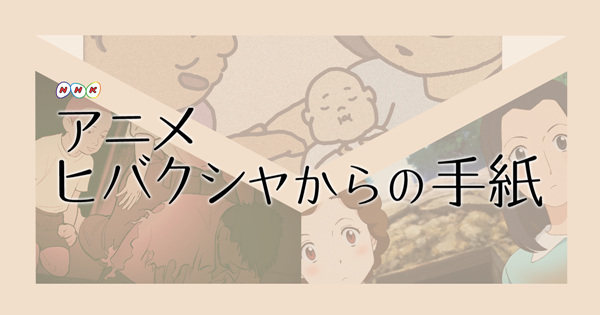
NHK undertakes a project to visualize written stories of the A-bomb victims through animation. The experience notes of the A-bomb victims which will be the base for the animation are ones sent to NHK's annual reciting, a program to read and share their experience, which have been running as long as 9 years now. A total of 2,200 notes have been sent to us so far. (Source: Official YouTube channel)
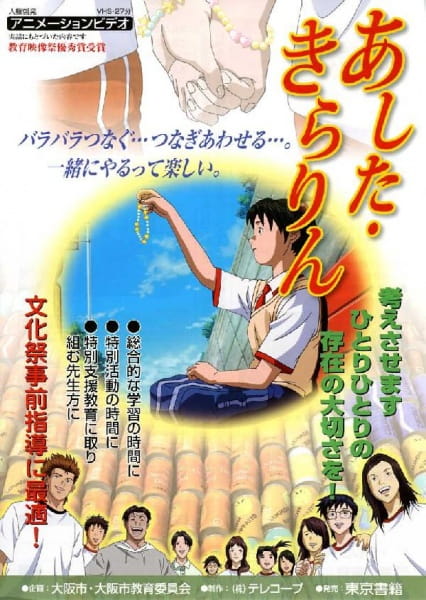
Ayako suffers from autism, and all kids in the class mock her except for Yuri - the only girl who shows some kindness towards her. Greatly appreciating that, Ayako gives Yuri a present - a beaded bracelet. Later, the school is preparing for the summer cultural festival, and Ayako's present inspires Yuri with an idea to make a decoration for one of the school's exterior walls - a giant picture made of ropes beaded with empty cans of different colours. All kids including Ayako then gather empty cans from all around the city and start creating the picture. However, the day before the festival is scheduled to open a typhoon hits the city, threatening to ruin the kids' hard work. (Source: AniDB)
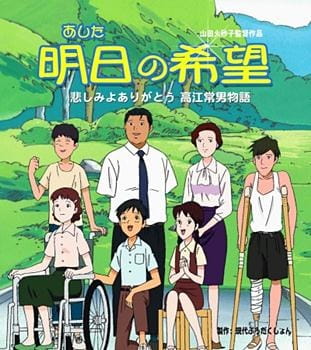
An animated biographical film about the life of Takae Tsuneo, who was dealt a heavy blow when he lost both of his arms but worked to help other people with disabilities. At the age of seventeen, Tsuneo is electrocuted during his job installing power lines and has both of his arms amputated. However, he decides to devote his life to poetry and literature, and begins to practice writing by holding a pen with his mouth. He eventually gets a job as a newspaper reporter, and turns his attention to other people dealing with disabilities. (Source: Japanese Film Database)
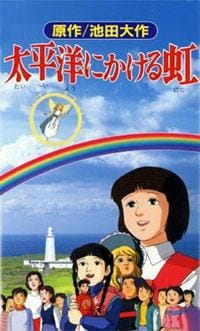
Schoolgirl Mitsuko tries to protect half-Chinese transfer student Yu-Lian from bullies. That night, she discovers Emily, an old American doll. Given to a Japanese child during an exchange in 1921, it was hidden from the "doll burnings" of the anti-Western war period and saved by a brave young girl (Mitsuko's grandmother). At the next day's show-and-tell, Mitsuko tells the story of Emily and encourages Yu-Lian. (Source: The Anime Encyclopedia)
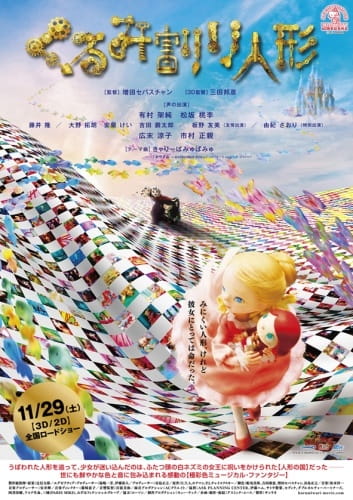
A 2014 adaptation of the original Nutcracker story by E.T.A. Hoffmann.
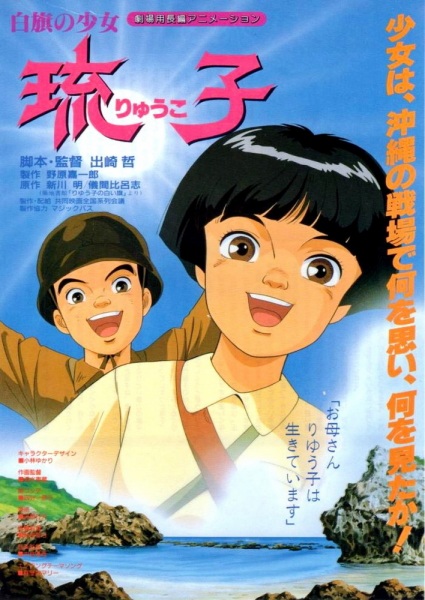
In 1945, American troops land on the island of Okinawa. The Japanese fight a guerrilla war against the invaders, and little Ryuko is forced to leave her grandparents behind and flee with her mother and younger sister, who are eventually killed. Ryuko heads on alone across the war-torn island. Eventually she reaches safety in Japanese-occupied caves, only to witness the Japanese troops committing suicide with hand grenades. Based on a children's book by Akira Aratagawa and Hikuji Norima, itself inspired by real American footage of an Okinawan girl, Tomiko Higa, waving a white flag at the island's surrender. (Source: Anime Encyclopedia)