A History of Ancient Britain
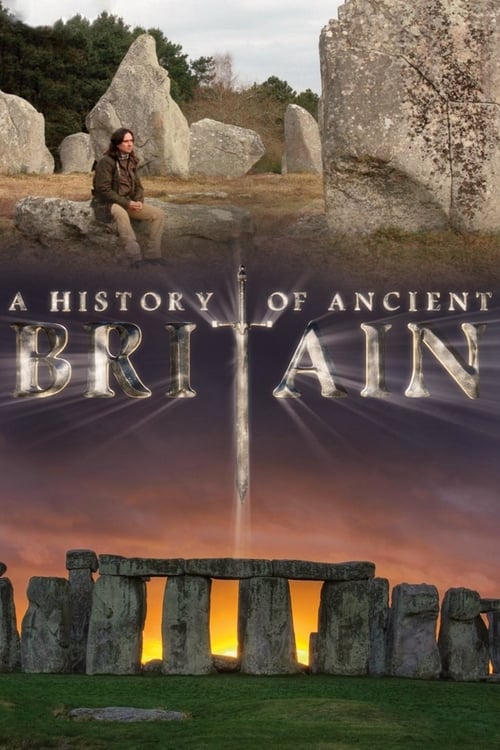
Neil Oliver tells the epic story of how Britain and its people came to be over thousands of years of ancient history—the beginnings of our world forged in ice, stone, and bronze
Canonical catalog
1000 titles

Neil Oliver tells the epic story of how Britain and its people came to be over thousands of years of ancient history—the beginnings of our world forged in ice, stone, and bronze

A detailed account of the two millennia of intolerance and persecution suffered by the Jews, from antiquity to the present day.

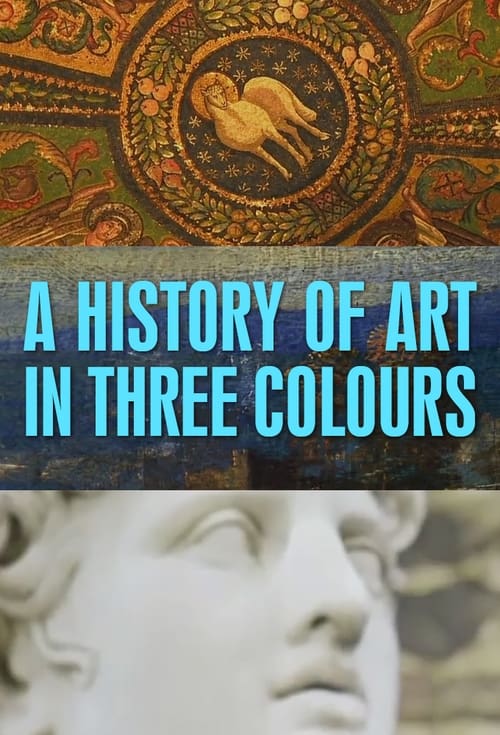
Dr James Fox explores how, in the hands of artists, the colours gold, blue and white have stirred our emotions, changed the way we behave and even altered the course of history.

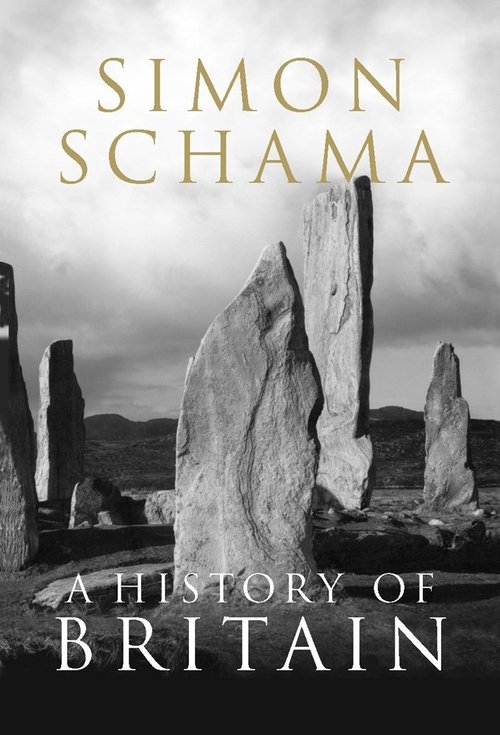
Stretching from the Stone Age to the year 2000, Simon Schama's Complete History of Britain does not pretend to be a definitive chronicle of the turbulent events which buffeted and shaped the British Isles. What Schama does do, however, is tell the story in vivid and gripping narrative terms, free of the fustiness of traditional academe, personalising key historical events by examining the major characters at the centre of them. Not all historians would approve of the history depicted here as shaped principally by the actions of great men and women rather than by more abstract developments, but Schama's way of telling it is a good deal more enthralling as a result. Schama successfully gives lie to the idea that the history of Britain has been moderate and temperate, passing down the generations as stately as a galleon, taking on board sensible ideas but steering clear of sillier, revolutionary ones. Nonsense. Schama retells British history the way it was--as bloody, convulsive, precarious, hot-blooded and several times within an inch of haring off onto an entirely different course. Schama seems almost to delight in the goriness of history. Themes returned to repeatedly include the wars between the Scots and the Irish and the Catholic/Protestant conflicts--only the Irish question remains unresolved by the new millennium. As Britain becomes a constitutional monarchy, Schama talks less of Kings and Queens but of poets and idea-makers like Orwell. Still, with his pungent, direct manner and against an evocative visual and aural backdrop, Schama makes history seem as though it happened yesterday, the bloodstains not yet dry.

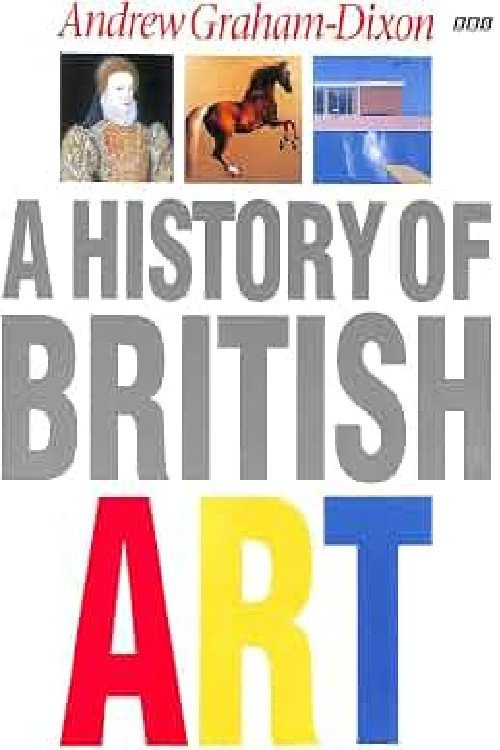
Six-part series tracing the history of British art from 1066 to the modern day, written and presented by Andrew Graham-Dixon.

In four chapters, largely based on and illustrated with archaeological finds and sites, Neil Oliver explains how, as far as is known, the Iron Age Celtic tribes known as the Ancient Britains evolved and entered European civilization. Their internecine tribal phase was warlike and partitioned. Overseas contacts, especially metal trade, brought wealth and progress. Ultimately, it attracted the superior Roman empire, which would conquer and pacify Britain into a province, like Gaul shortly before, but Caesar's invasion wasn't the definitive annexation yet, that was left to emperor Claudius; even afterward some Celtic traits and even rebellions remained.
A six-part series that explores centuries of worship practices, as seen through the eyes of Protestant, Catholic and Orthodox churches. From scripture, sermons and creeds to baptism and the Eucharist, from art and music to drama and media, from prayer and contemplation to service and ministry, viewers will discover the significant people and events that have shaped history and learn how modern worship practices are rooted in the earliest foundations of the Christian faith.

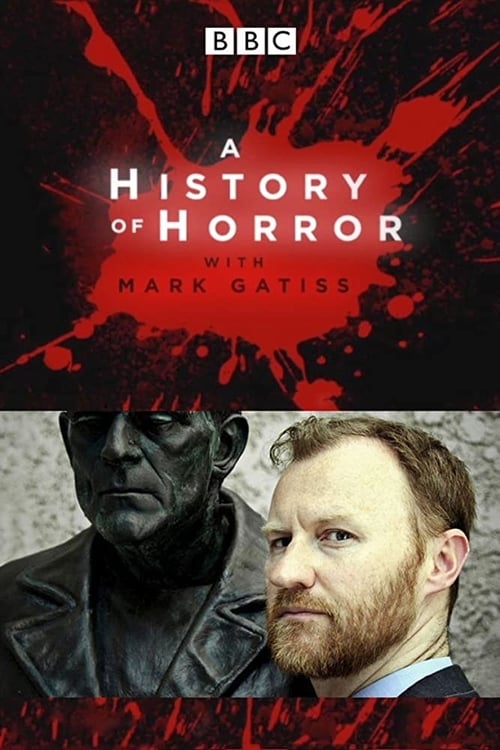
Mark Gatiss examines the history of the horror film, from classic Hollywood monsters to Hammer's glory days and beyond.

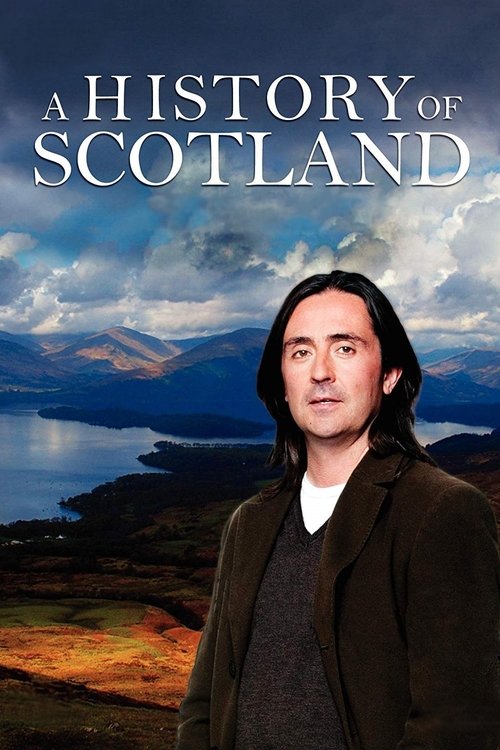
Presented by Neil Oliver, A History of Scotland is a television series first broadcast in November 2008 on BBC One Scotland and later shown UK-wide on BBC Two during January 2009. The second series began on BBC One Scotland in early November 2009, with transmission at a later point on network BBC Two. Along with the series, BBC Scotland planned a range of radio programmes, a new website, an interactive game, and concerts. The Open University, in collaboration with the BBC, also created a series of audio walks around historic locations in Scotland, with narration from Oliver. In Australia, series one aired on SBS One Sundays at 7:30pm from 6 December 2009 to 3 January 2010. Series two commenced on 24 October 2010 running until 21 November in the same Sunday night Lost Worlds strand. It has since been repeated.

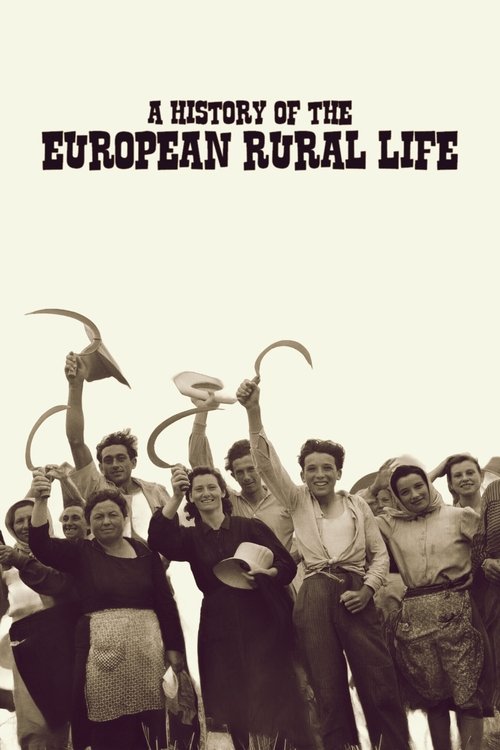
The history of the European peasantry, which has undergone many upheavals over the centuries: from its rise in the Middle Ages after the fall of the Roman Empire, through the oppression of the nobility and the Church, to the struggles for freedom and modernization in the present era.

The history of the European working class, from the early 18th century to the present day.

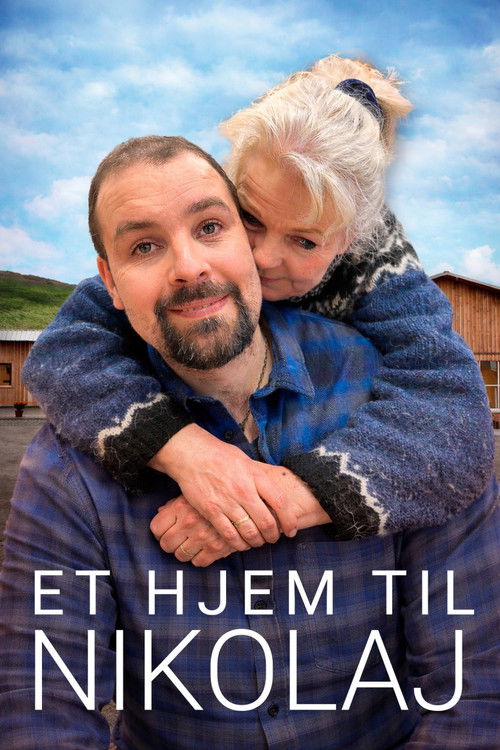
At 22, Nikolaj becomes involved in a serious accident and suffered a brain injury. His mother, Krista, begins a struggle to give him an everyday life of meaning and dignity. Together with his family, Krista builds the residence Møn Bakkeby, where Nikolaj can hopefully have the life that Krista wants for him.

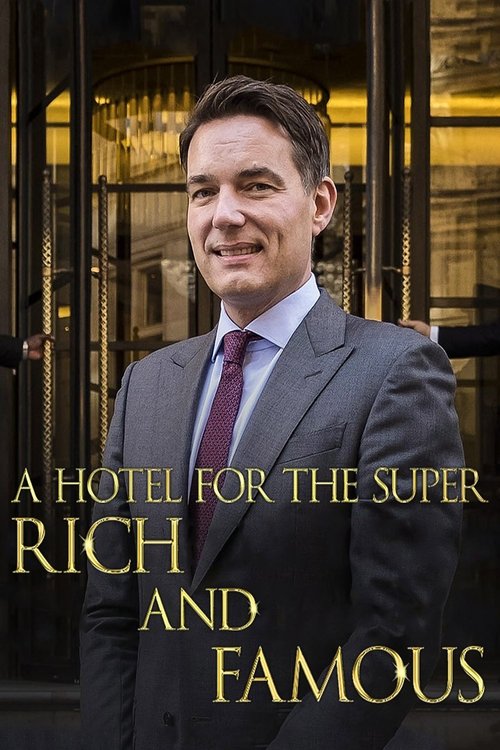
Documentary series going behind the scenes at London's Corinthia hotel, looking at how it tries to stand out in a fiercely competitive market.

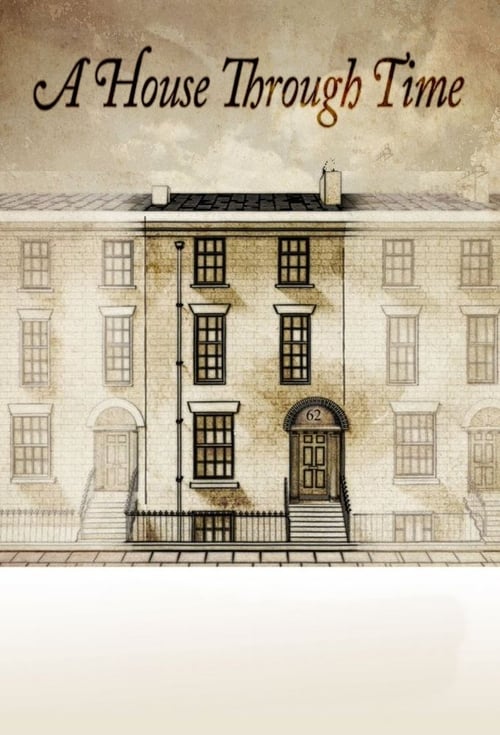
David Olusoga tells the story of those who lived in one house, from the time it was built until now. Searching through city archives, scouring records, and tracking down their living descendants, presenter David Olusoga tells the untold stories of the people who once lived in the house and gains a unique insight into the making of modern Britain.

We go on a one month backpacking adventure around Japan. In this 2 part documentary series we travel to Japan for the very first time. Travelling there for one month, starting in Tokyo and then using the Japan Rail Pass to explore the country.

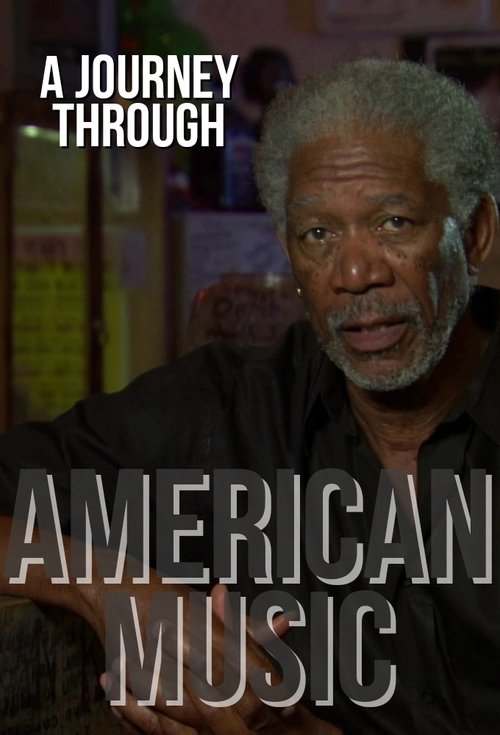
Presented by Morgan Freeman from his Ground Zero Blues Club in Clarksdale Mississippi. What was the Blues music that came out of the Delta and how did it develop into Jazz and Soul? Using interviews with musicians and musicologists and with unique access to the archive of the Montreux Jazz Festival we tell this story of American music. Essential viewing for Jazz fan and historian alike.

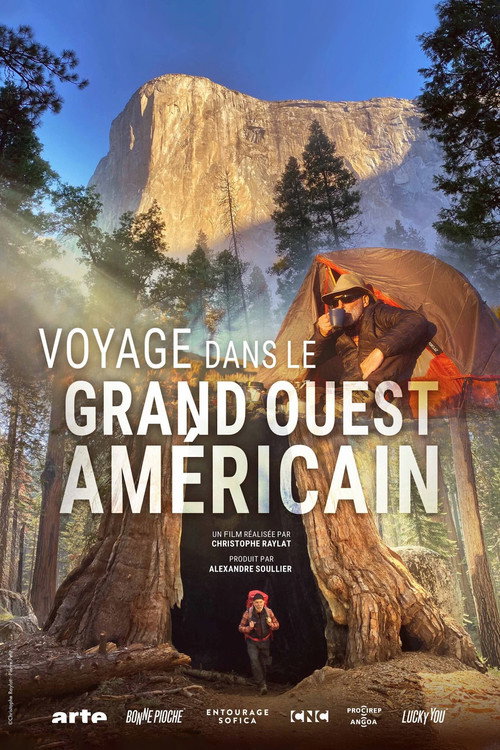
From the Californian desert to the rainforests of Alaska, naturalist and writer Louis-Marie Blanchard sets out on a 5,000-kilometre journey in the footsteps of ecological pioneer John Muir. Through the emblematic landscapes that Muir helped to save, he sets out to meet the men and women who keep alive his fight to preserve the wilderness. A journey of initiation, poetry and commitment, driven by a deep and intimate admiration for the man who changed his life.
A five-part series documenting 50 years in the lives of the Ju/'hoansi of southern Africa, from 1951 to 2000. These once independent hunter-gatherers experience dispossession, confinement to a homeland, and the chaos of war.


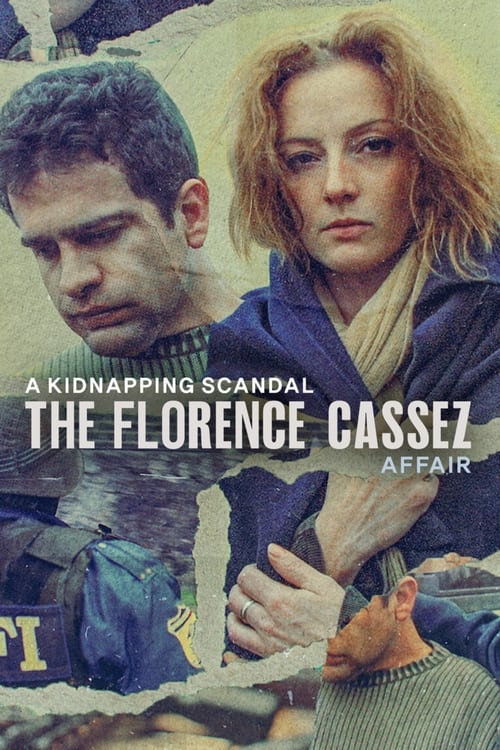
A Kidnapping Scandal: The Florence Cassez Affair examines the case of Florence Cassez and Israel Vallarta, alleged kidnappers and one of the most notable and scandalous cases in Mexico’s history. Through interviews and analysis of public records, the documentary details the irregularities of this case and throws light on the people at the center of what became a diplomatic scandal between Mexico and France.

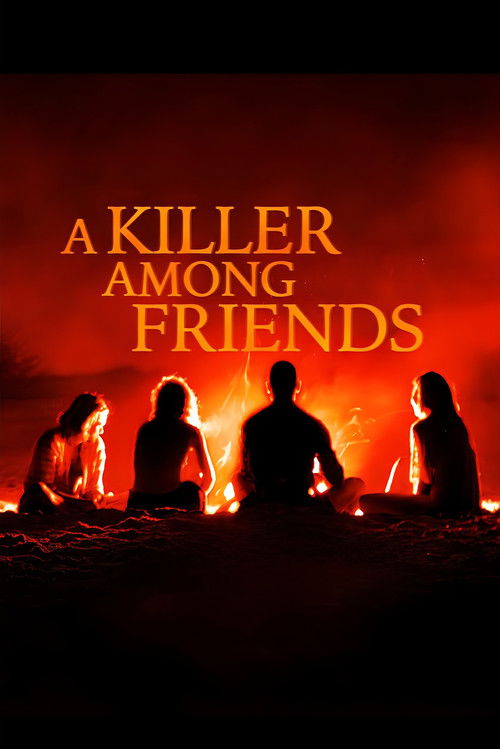
The murder of one of their own changes groups of friends forever. The tragic loss of a member of their inner circle — and their terrifying closeness to the killer — haunt them as they uncover secrets and confront the painful truth.