(A)sexual
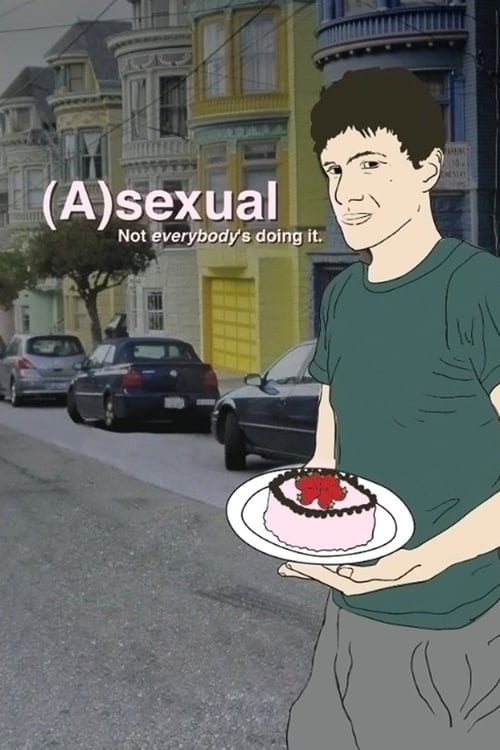
Facing a sex obsessed culture, a mountain of stereotypes and misconceptions, and a lack of social or scientific research, asexuals - people who experience no sexual attraction - struggle to claim their identity.
Canonical catalog
1000 titles

Facing a sex obsessed culture, a mountain of stereotypes and misconceptions, and a lack of social or scientific research, asexuals - people who experience no sexual attraction - struggle to claim their identity.

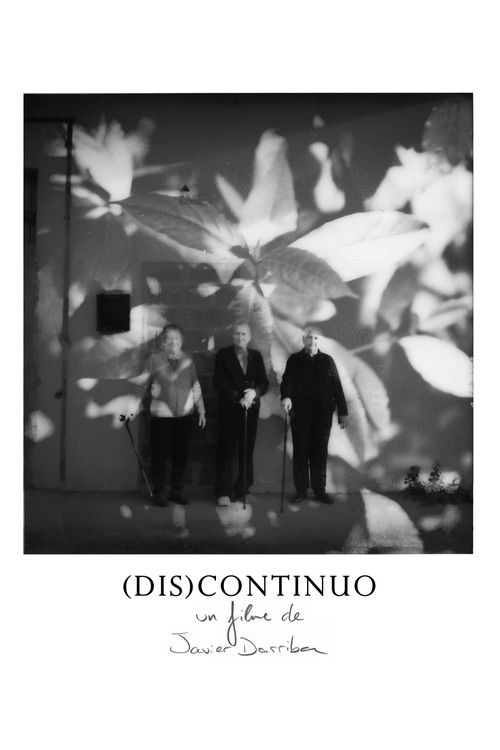
(Always) Next to Me is a 16mm film that pairs abstract sequences of plants developed directly on the film emulsion with intertitles briefly describing what was going on for me personally at the moment the plants were collected. I started the film at the beginning of the pandemic, just after I found out I was pregnant for the first time in April 2020 and finished it just before the birth of my baby in December of the same year.

In Summer 2009, something stirred in America. After Barack Obama and a Democratic congress swept to power promising a new era of hope and change, out of nowhere a citizens protest movement emerged that threatened to derail their agenda. Was this uprising the epitome of grassroots democracy? Or was it, as some said, an example of ‘astroturfing’? That is, the creation of fake grassroots (ie. Astroturf: get it?) groups, designed to put corporate messages in the mouths of seemingly independent citizens.

Self-portrait through the acts of love by the other, in this case, Chloe's mother.

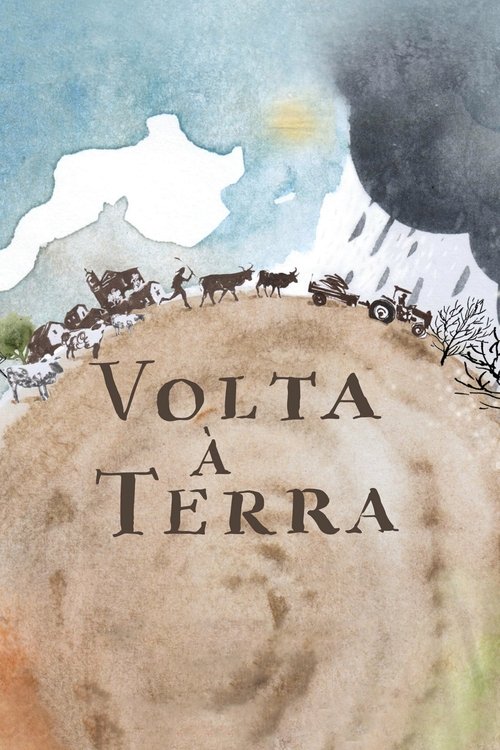
At Uz, an isolated hamlet in the northern mountains of Portugal, four generations live together in a group of around fifty people. When life is rough, solidarity is of the highest order. Everything else is left in God’s hands. They could have emigrated, like so many others, but chose to stay and keep their ancestral way of life, away from the racket of modernity.

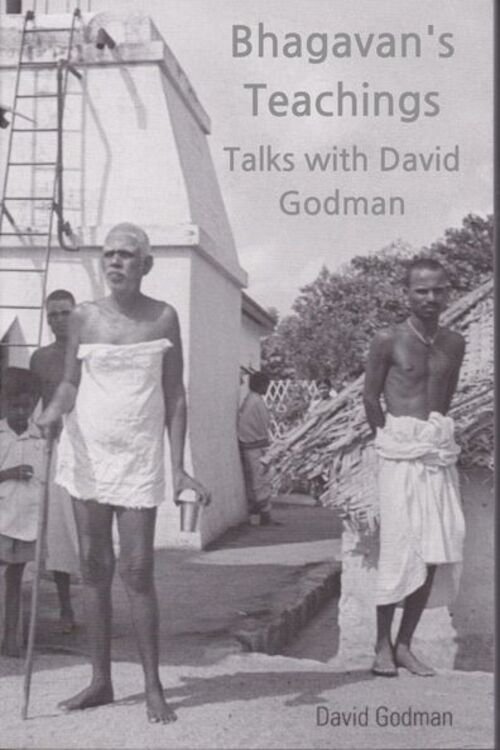
In August 2018 I was interviewed on my roof by Jussi Penttinen, a Finnish devotee who in recent times has been responsible for collating and uploading the subtitles that appear in many different languages on my Youtube channel. Jussi filmed his questions separately while he was standing on the Arunachala pradakshina road. During the talks he was accompanied by his friend Jukka Korhonen who filmed the replies and later edited the films. Thanks to both of them. Part 1: 'What am I doing wrong? Part 2: Mastan and Lakshmana Swamy Part 3: Love, Surrender, Devotion and the Power of Japa part 4: The Role of Ritual Worship in Bhagavan's Teachings Part 5: Sadhu Om, Muruganar and Tinnai Swami Part 6: Life after Self-Realisation Part 7: Bhagavan's Teachings in the Modern World

(C)ANSWERS explores the biological and social cancers that plague American society. Breht Gardner takes you inside one man's emotional cancer battle and discovers that cannabis prohibition is where race, politics, and the business of medicine powerfully intersect. (C)ANSWERS follows cancer patient Ray Odom through traditional oncology and medical cannabis treatments and displays the anxiety of diagnosis, the joy of success and the desperation of last-chance natural medicines. The film offers a philosophical examination of how cancers change lives.

I’ve been to Las Vegas many times and have always experienced a familiar roller coaster of reactions to the city, from being fascinated and seeing it as a profound expression of grand historical forces and liberatory impulses to just seeing it as a totally fucking depressing place. I don’t think I’ve ever had such strong reactions to a city. This film is an expression of much of that and weaves together several elements: a visual portrait of Las Vegas; informal, verite-ish interviews with a wide range of interesting people we came across while shooting; archival images of the city from the 1950s and 60s; along with some first-person voice-over musings about the city and its history. My hope is that this film does justice to the endlessly fascinating, spectacularly libidinous, and deeply disturbing nature of Las Vegas and its history. —Sam Green

(Dis)Appear follows Gabriel and Ana as they return to their hometown and explore what role photography can play when faced with personal and collective traumas of the past. It is a documentary about the powerful relationship between photography, memory and the forced disappearances and systematic murderer perpetrated by Argentina’s most recent civic-military dictatorship (1976-1983).


Documentary exploring the human tendency to be dishonest. Inspired by the work of social scientist, Dan Ariely, the film interweaves personal stories, expert opinions, behavioral experiments, and archival footage to reveal how and why people lie.
In the documentary Magdalena Łazarkiewicz used a lot of archive material with her husband, who talks about his professional path and his true fascination with cinema.

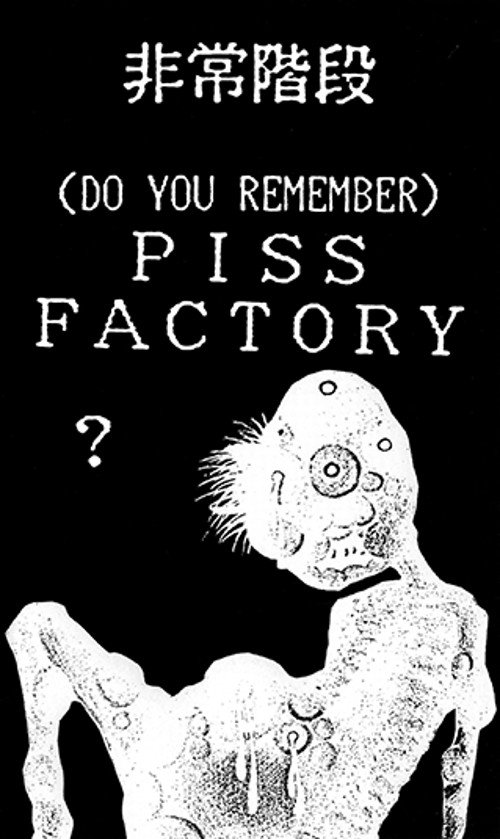
Hijokaidan 1989 live performance

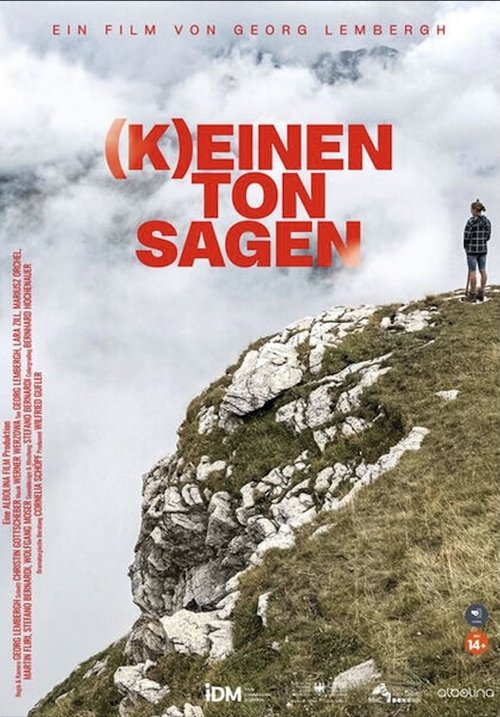
Four people from North and South Tyrol courageously speak about their sexual abuse. While one protagonist’s abuse revelations triggered an avalanche back in 2017, others are breaking their silence in public for the first time. The documentary shows that abuse happens everywhere – in the sporting world, at church, at home. With great care, the director follows these four brave individuals as they describe the traumatising events, shame and speechlessness they have experienced, at the same time showcasing the resilience and dignity with which they have reclaimed their lives after the abuse.


A short documentary film about Miki Lee Trajchevski, a homeless person from Macedonia, who speaks 6 languages, lives by rules of Bruce Lee's philosophy and claims that has encounters with aliens.

The unforgettable energy of the 2024 (G)I-DLE WORLD TOUR [iDOL], which mesmerized fans across 14 cities, is coming to the big screen! Experience the magic of their Seoul concert, the grand kickoff to this electrifying tour. Experience iconic performances of hits like Super Lady, LATATA, Queencard, and TOMBOY, paired with a perfectly curated setlist and breathtaking visuals.


Documentary about the life of six sons of disappeared parents during argentine dictatorship between 1976 and 1983.

At sixty life only begins, at thirty it's already half over! The thirtieth birthday, the day when the two is replaced by the three, is a dreaded date: Now heads must be nailed down!

A video is a stream of information, and this moving image relies upon the relationship of static frames, which are algorithmically determined. In the language of video compression, the (I) frames are the reference points between which movement is interpolated. Manual deletion or misplacement of (I) frames results in a video glitch known as a datamosh: the stream of nformation d srupted, d sorgan zed … nterupeted … lost … the ( ) frame removed, rejected … BUT, reclaimed, the (I) frames, the burning bolts of the machine, are at once reasserted in this dance macabre ... (I) FRAME is a mechanical ballet set to the original tempo that characterizes motion on screen at 24 "(I) frames" a second...

The piece is a reference to Yves Klein’s work Anthropometry, in which the artist used naked women as ‘human paintbrushes’, creating paintings that were results of elaborate performances in front of an audience. To Klein, the female figure was the canon of human proportion, an anthropometric symbol that he described as “the most concentrated expression of vital energy imaginable”. The same blue colour used by him (International Klein Blue IKB) is used by Marcy Petit as she becomes a human paintbrush too.